Sweed · Admin platform for regulated retail
Company
Sweed is a U.S.-based AI-powered point-of-sale platform tailored for regulated retail businesses. Founded in 2021, it unifies checkout, inventory, e-commerce, and delivery management into a single system, helping companies stay compliant and efficient in complex regulatory environments.
Role
At Sweed, I led design across multiple product streams for the internal admin platform during rapid growth, acting as a design lead and cross-team connector.
I drove the redesign of core operational workflows, which reduced support load by ~15% and increased engagement with new admin workflows by ~25%. Alongside delivery, I provided design leadership, aligning product and engineering around shared UX principles, mentoring designers, and shaping a consistent, scalable admin platform that became a central control hub for the Sweed ecosystem.
Results
Support load
Admin engagement
Order-placed rate
Revenue per user
Case study
Designing the Admin Portal End-to-End Across All Product Streams
In Sweed Portal I worked across the entire admin platform, not a single vertical. I was responsible for the UX and cross-stream consistency of key product modules.
Even though my formal title was Senior Product Designer, the scope of responsibility and impact was closer to a Staff level role: I connected multiple teams, unified interaction patterns, aligned product logic between modules and ensured a seamless, predictable UX across the whole portal.
01
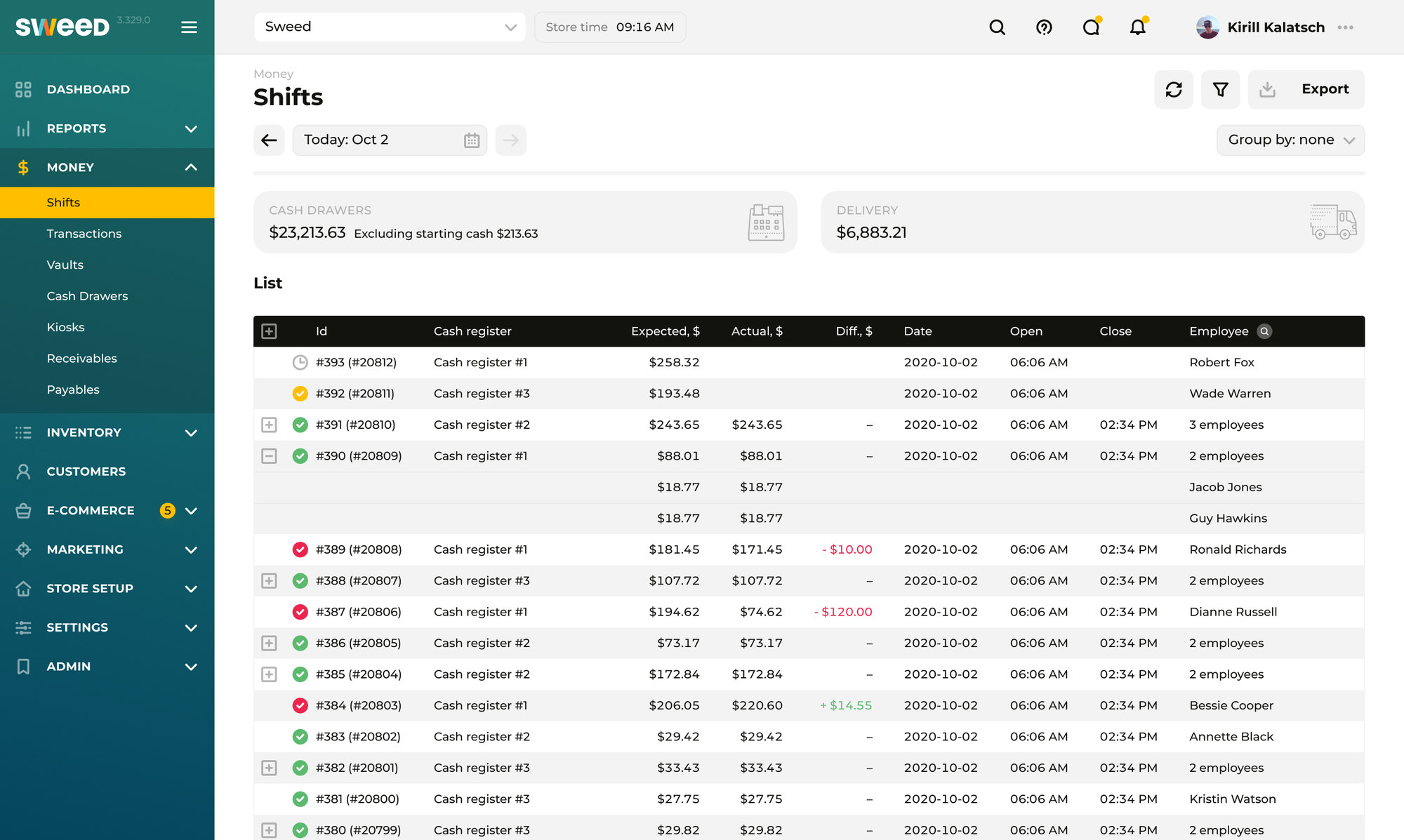
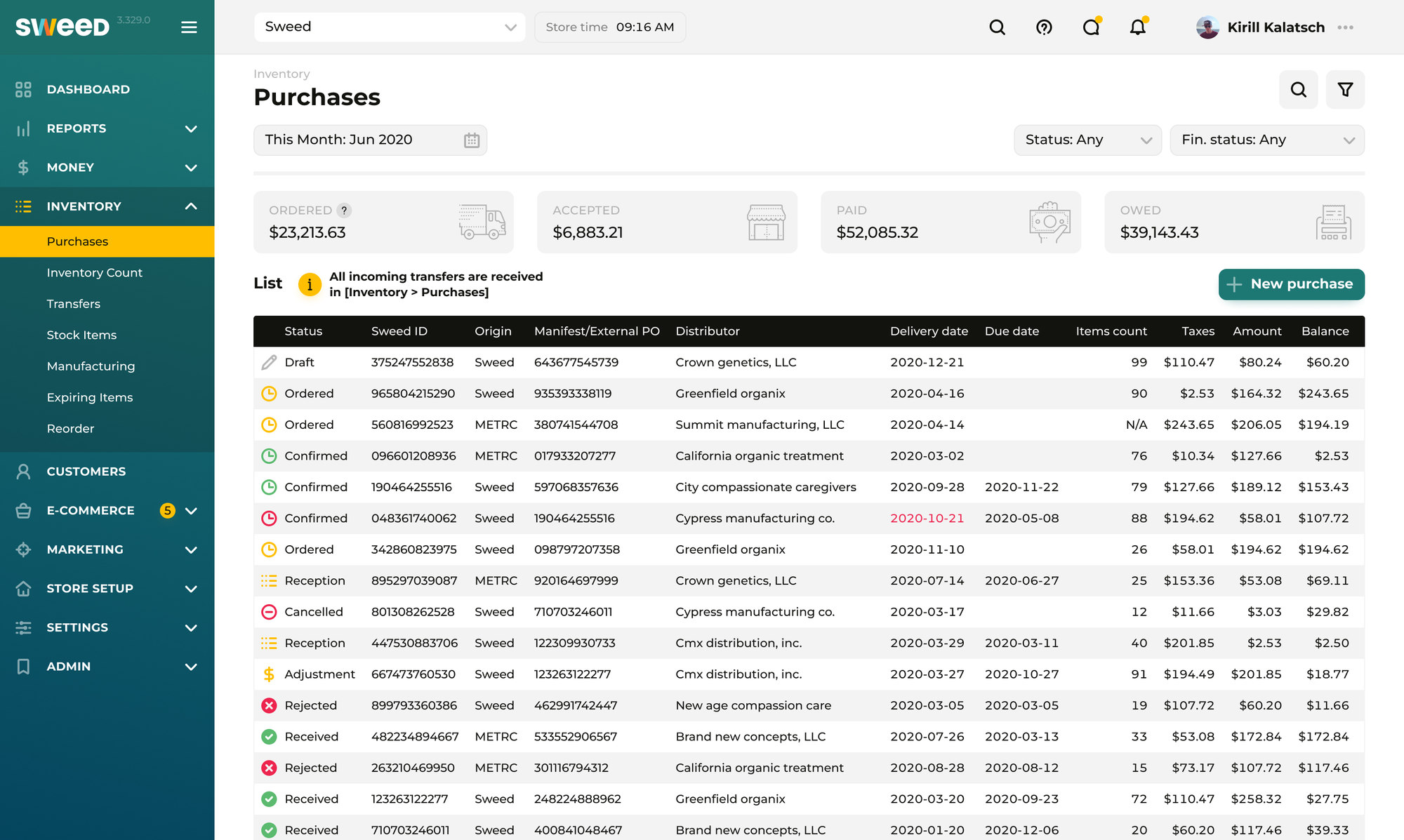
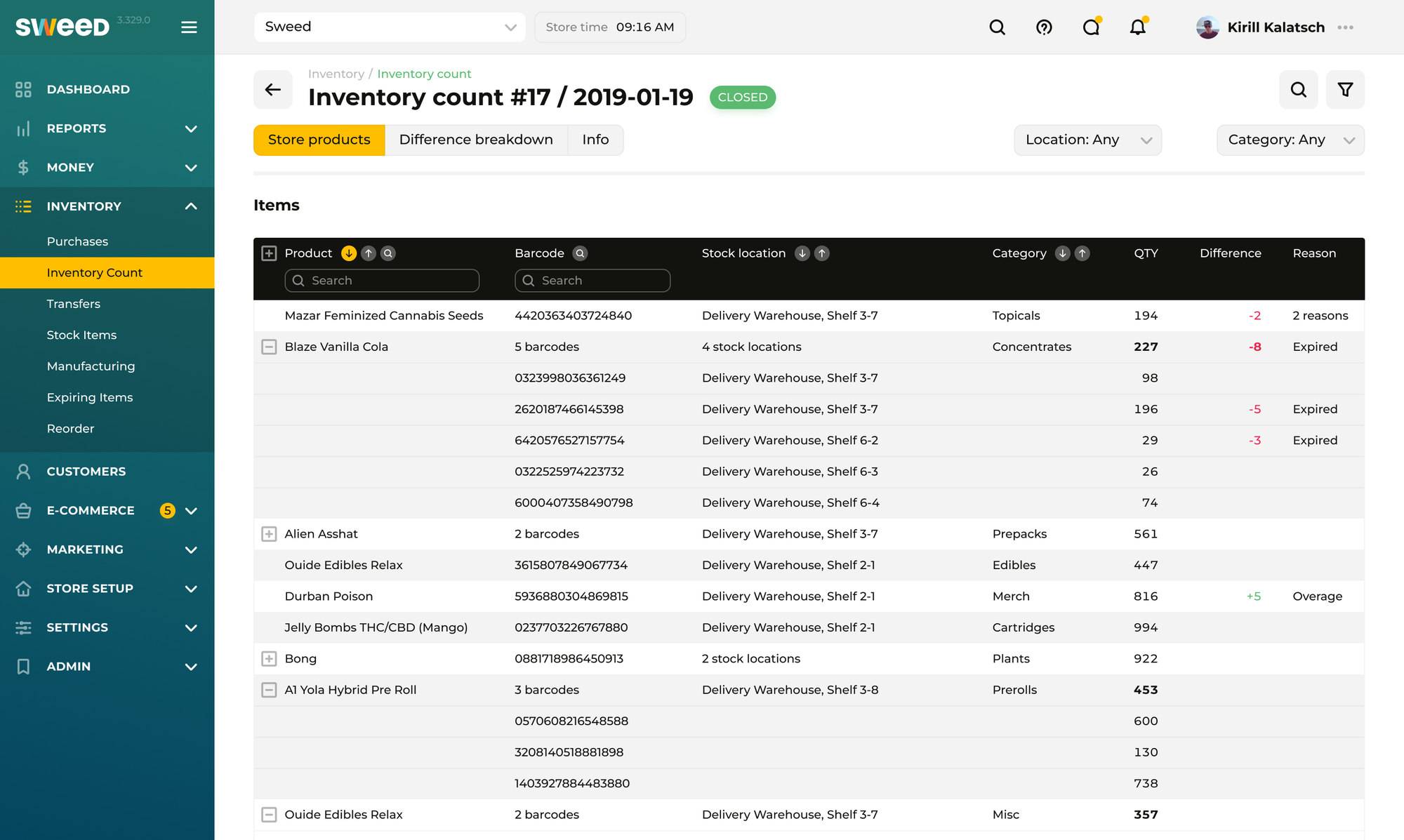
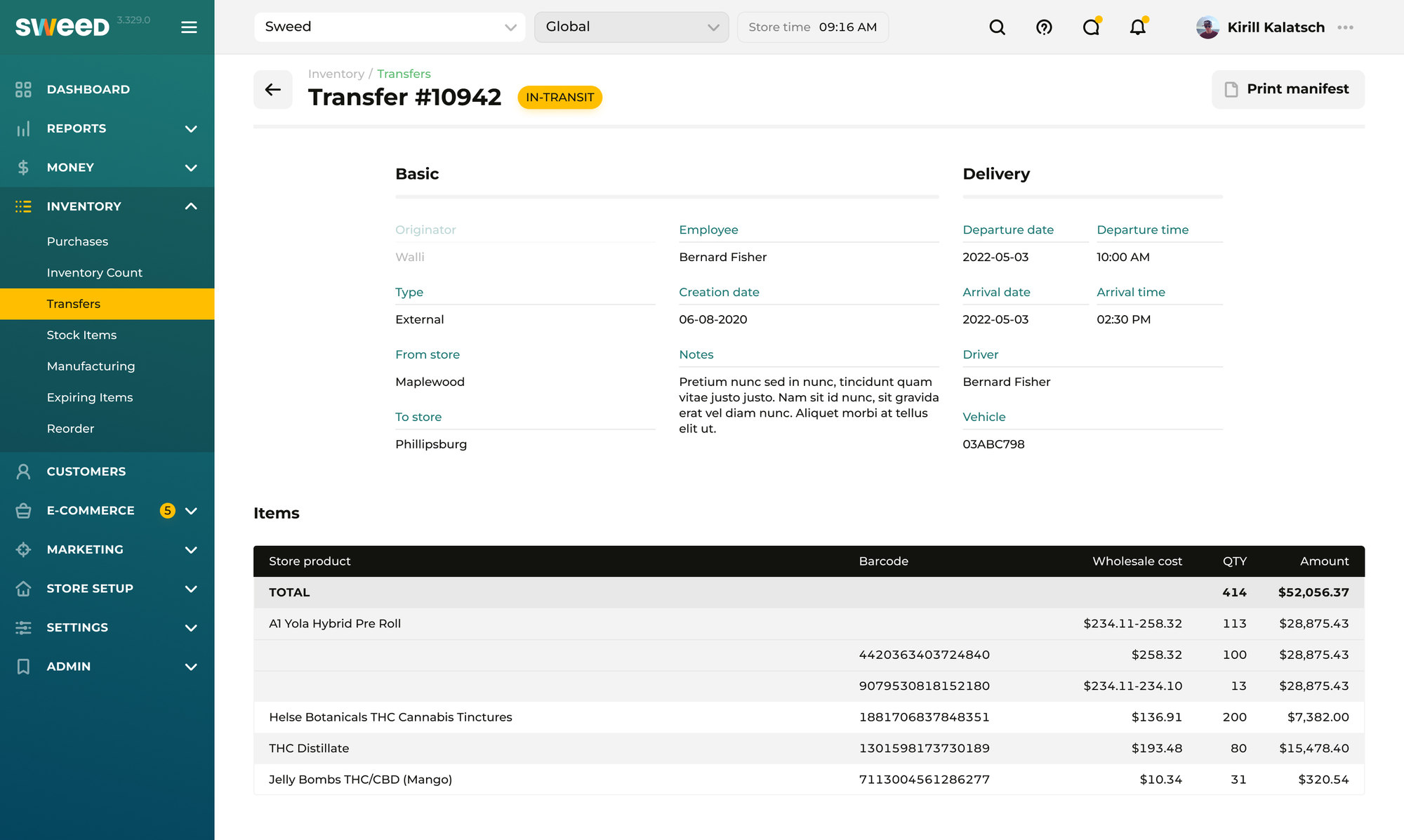
Dashboard / Reports / Money / Inventory
Rather than designing one-off pages, I worked at the system level.
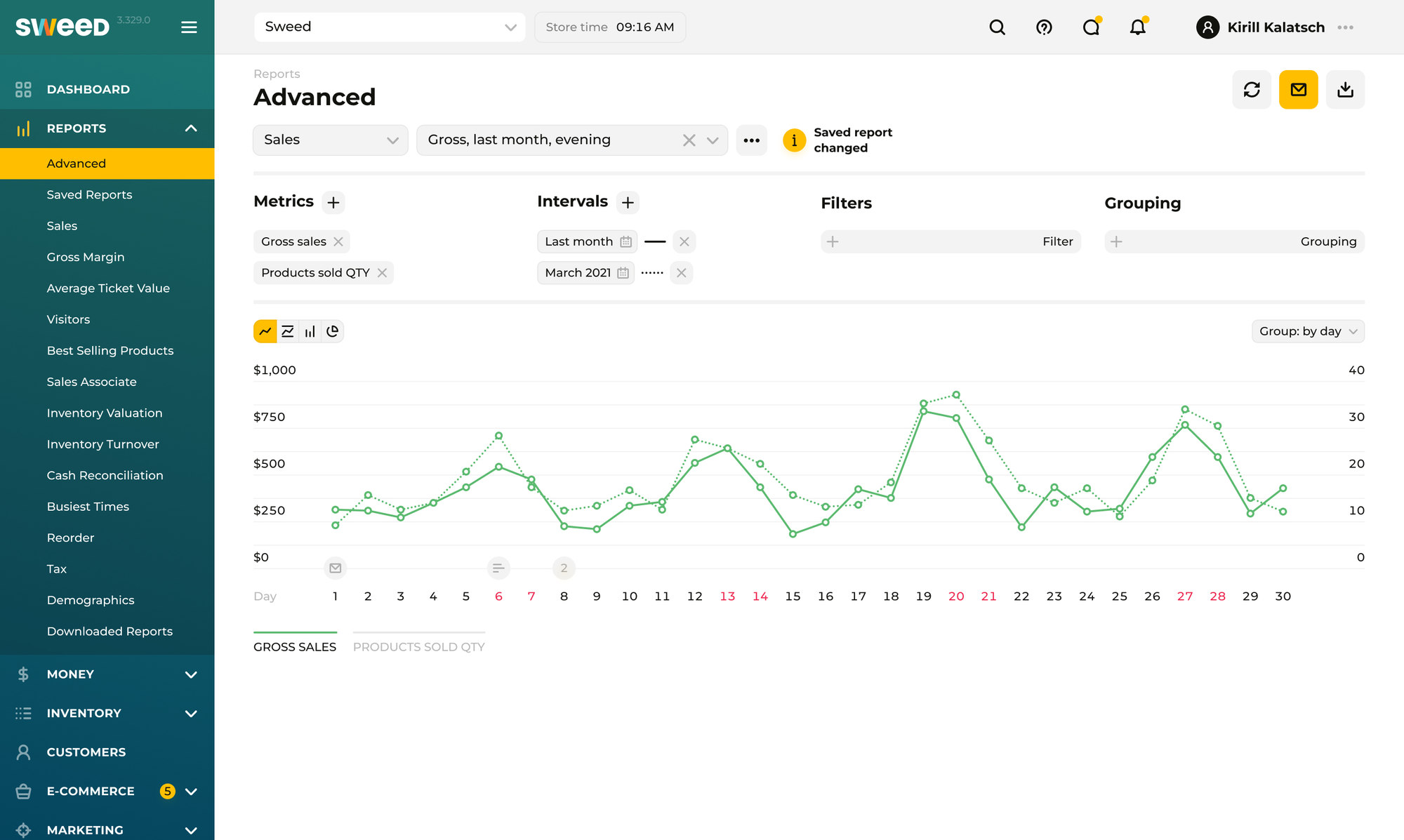
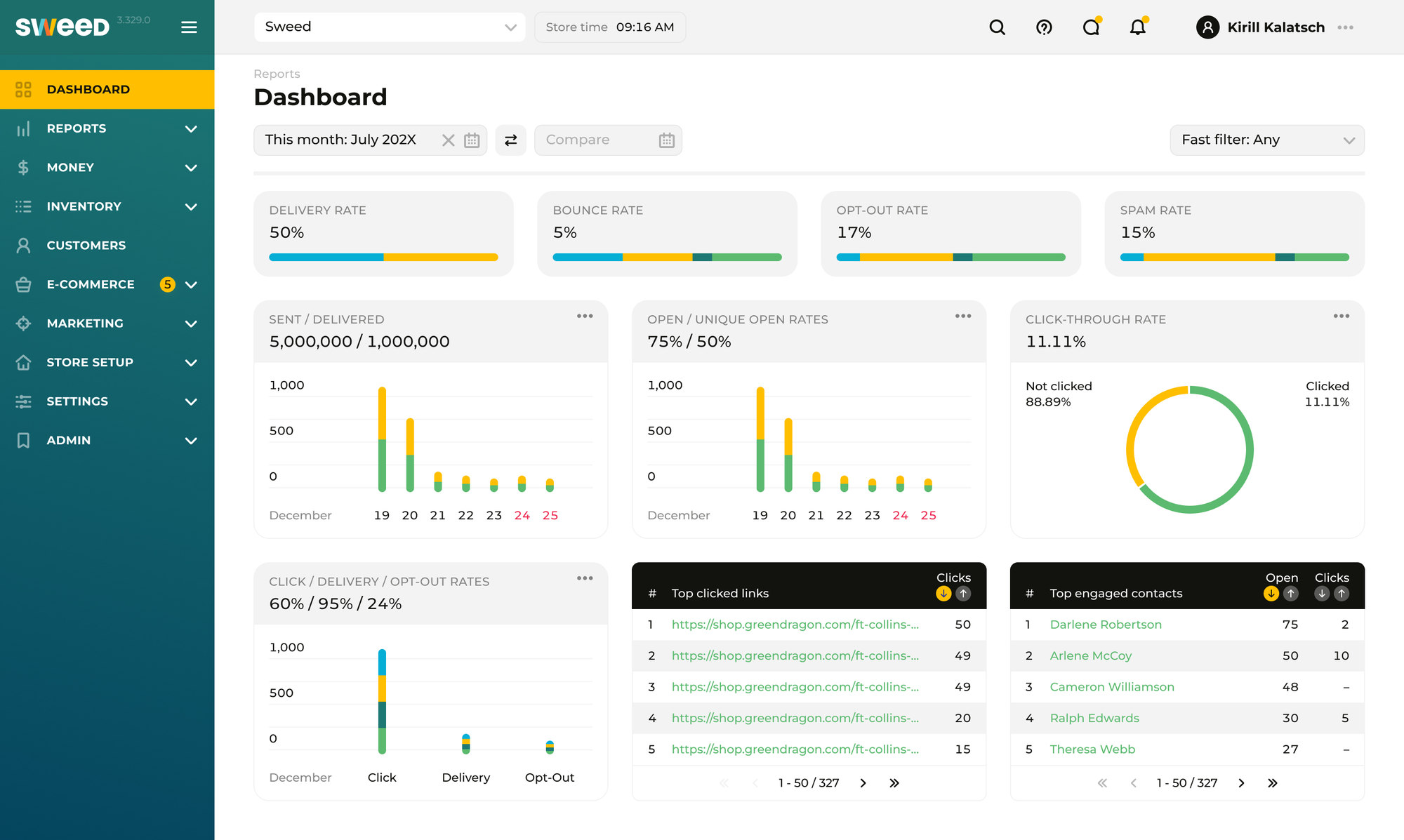
These are the core operational modules of the portal that store managers and back-office teams use every day, the daily backbone of the retail workflow.
When I joined, these areas were already live and evolving fast across several product streams. I refined and extended the existing UX, kept modules consistent and added new features without breaking user expectations.
Rather than designing one-off pages, I worked at the system level, so each change fit a cohesive logic shared across the portal.
02
Customers
This module needed clarity, predictability and robustness more than visual novelty.
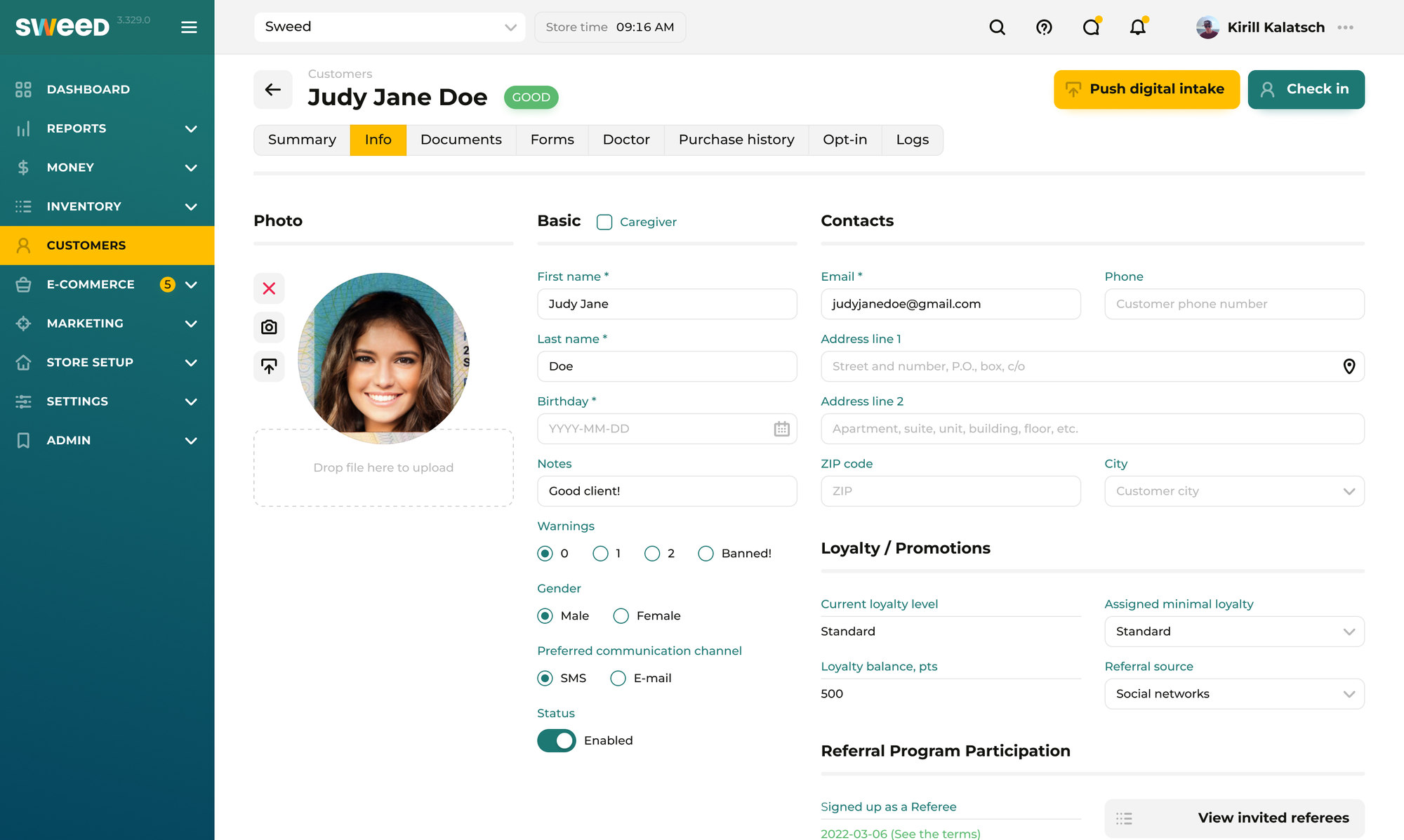
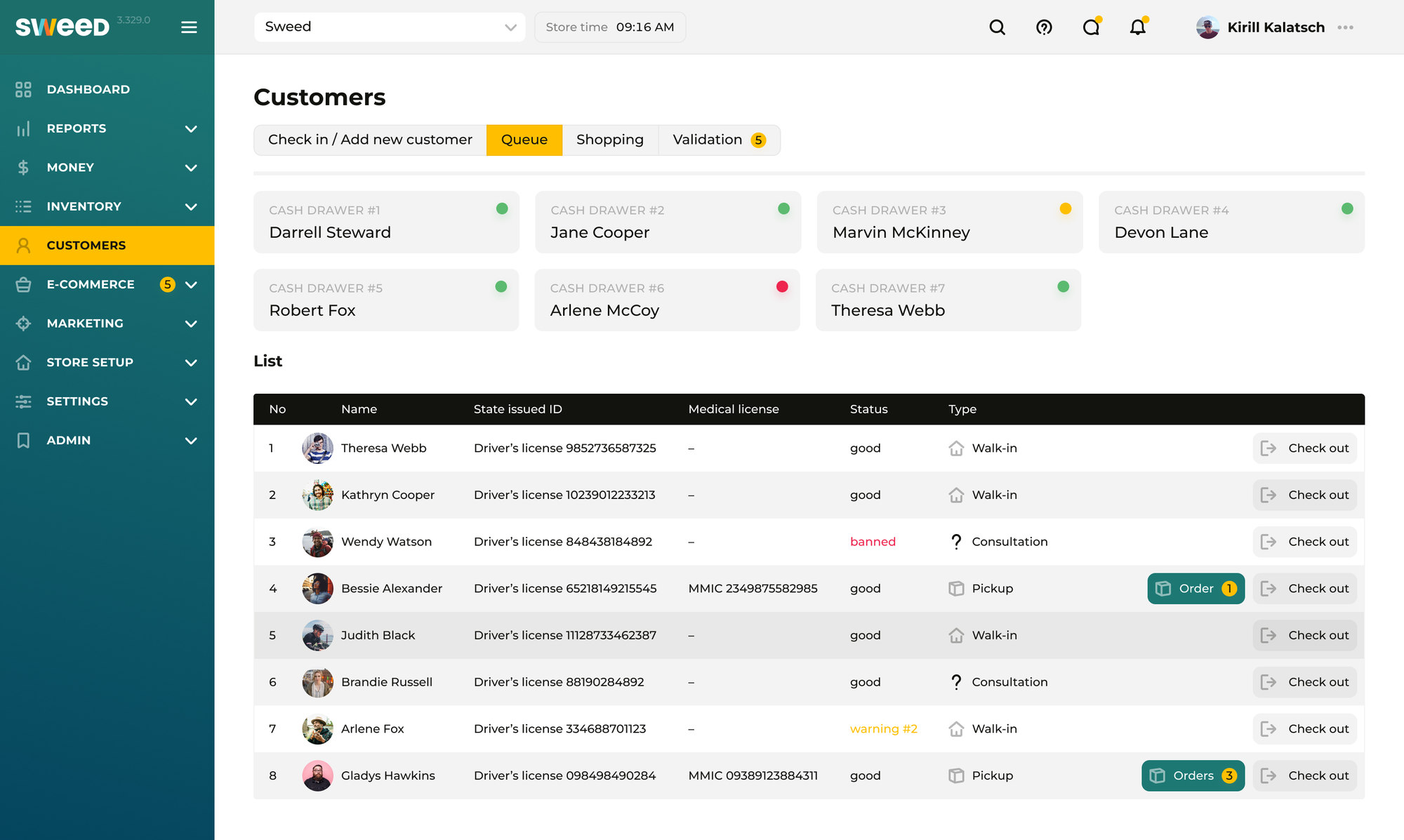
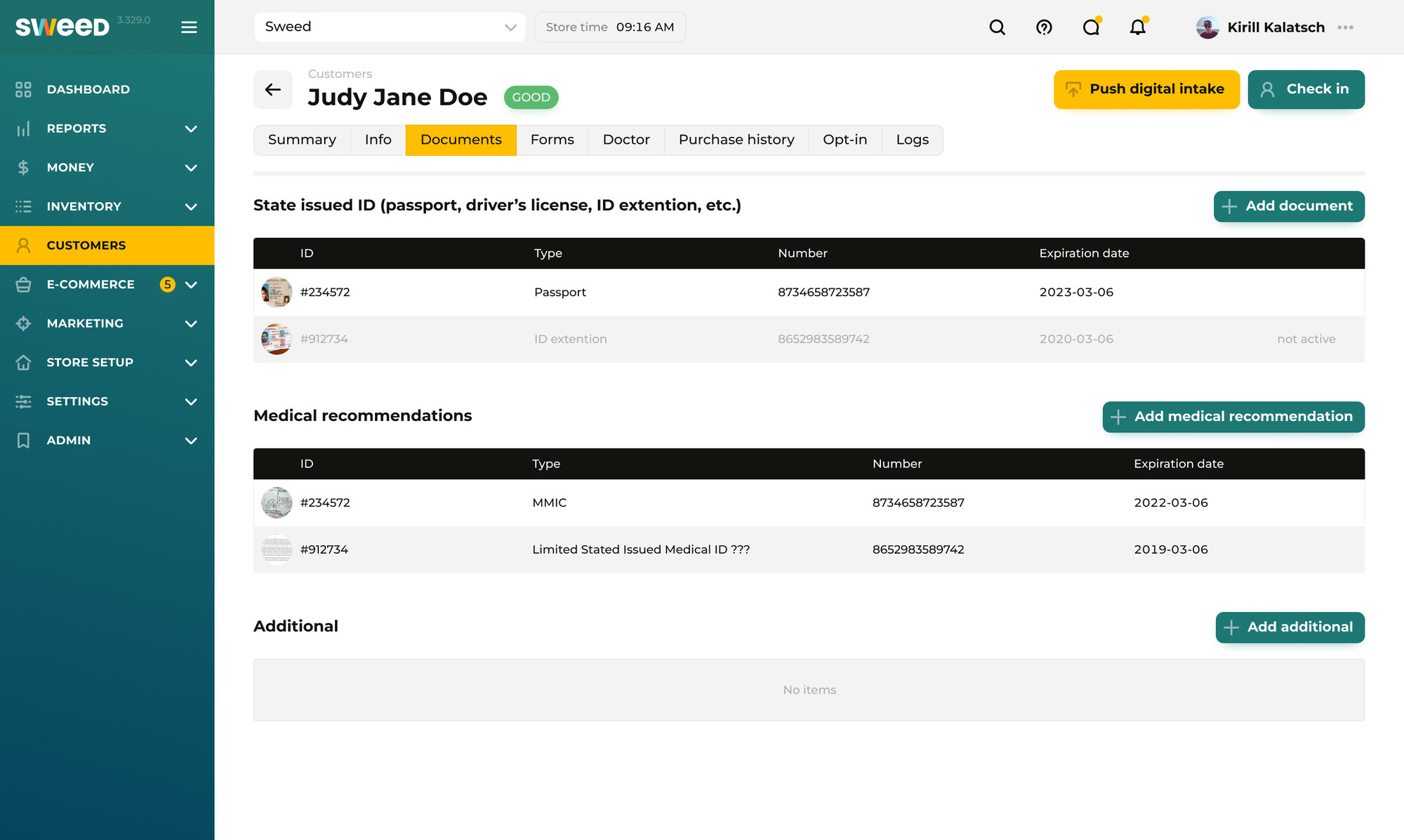
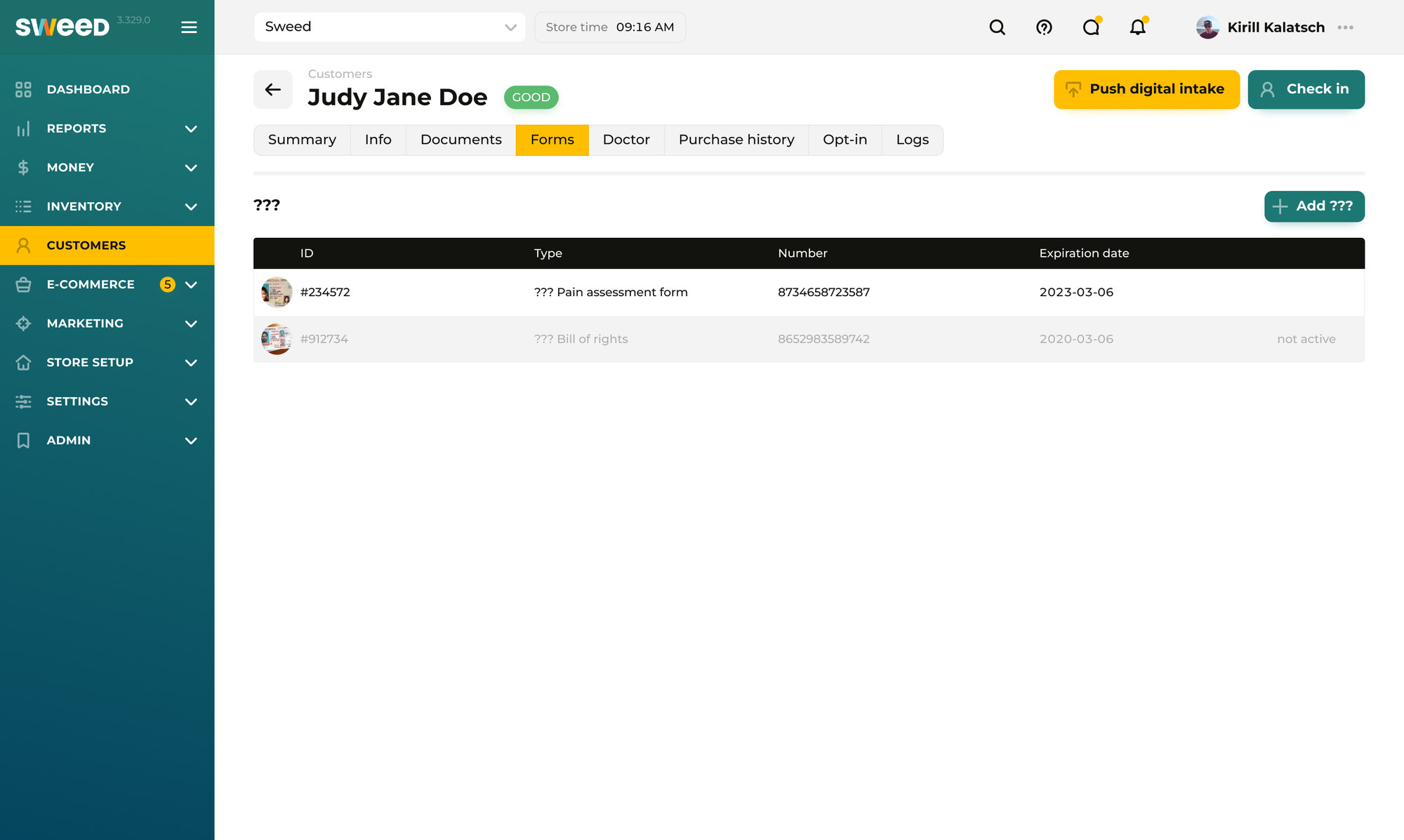
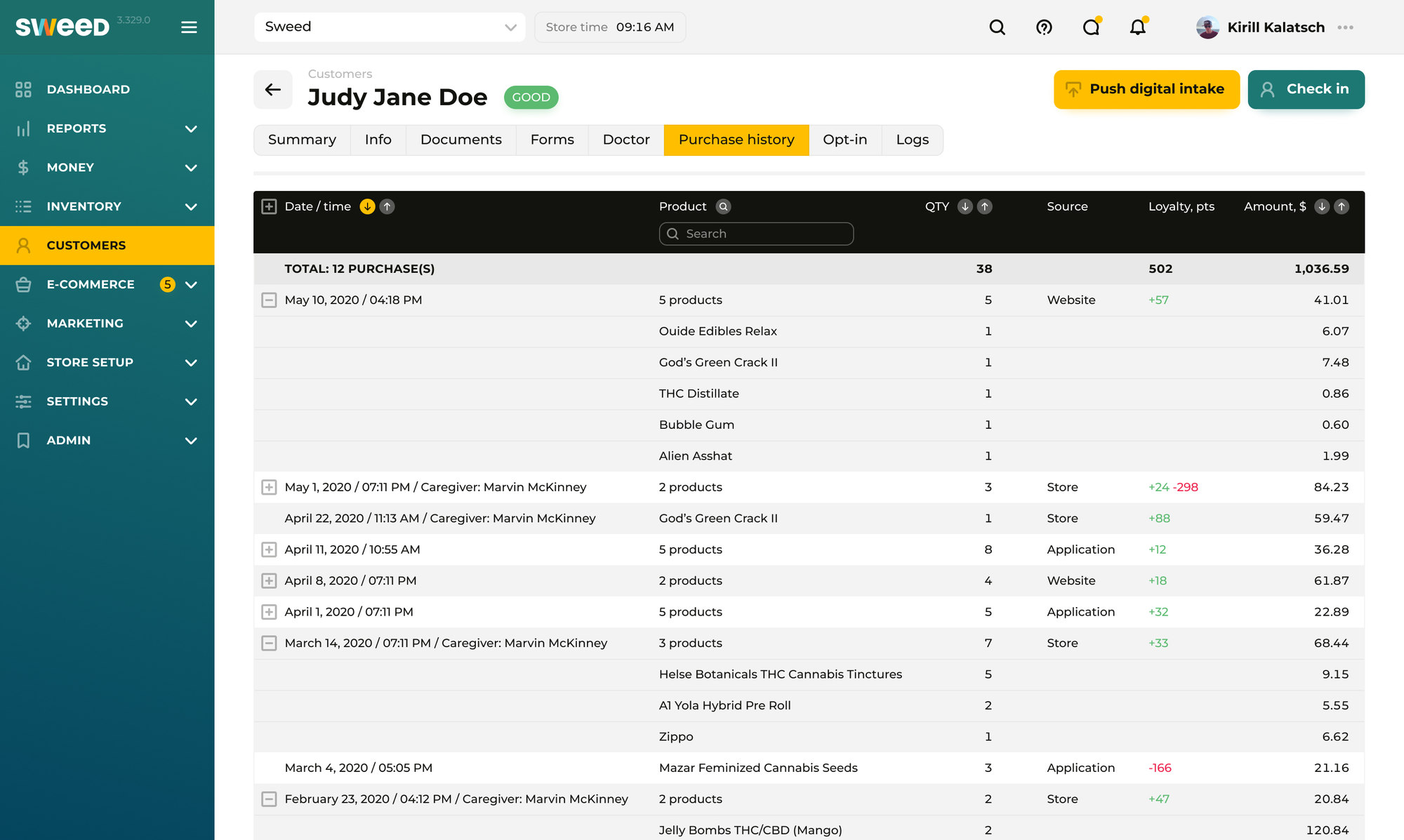
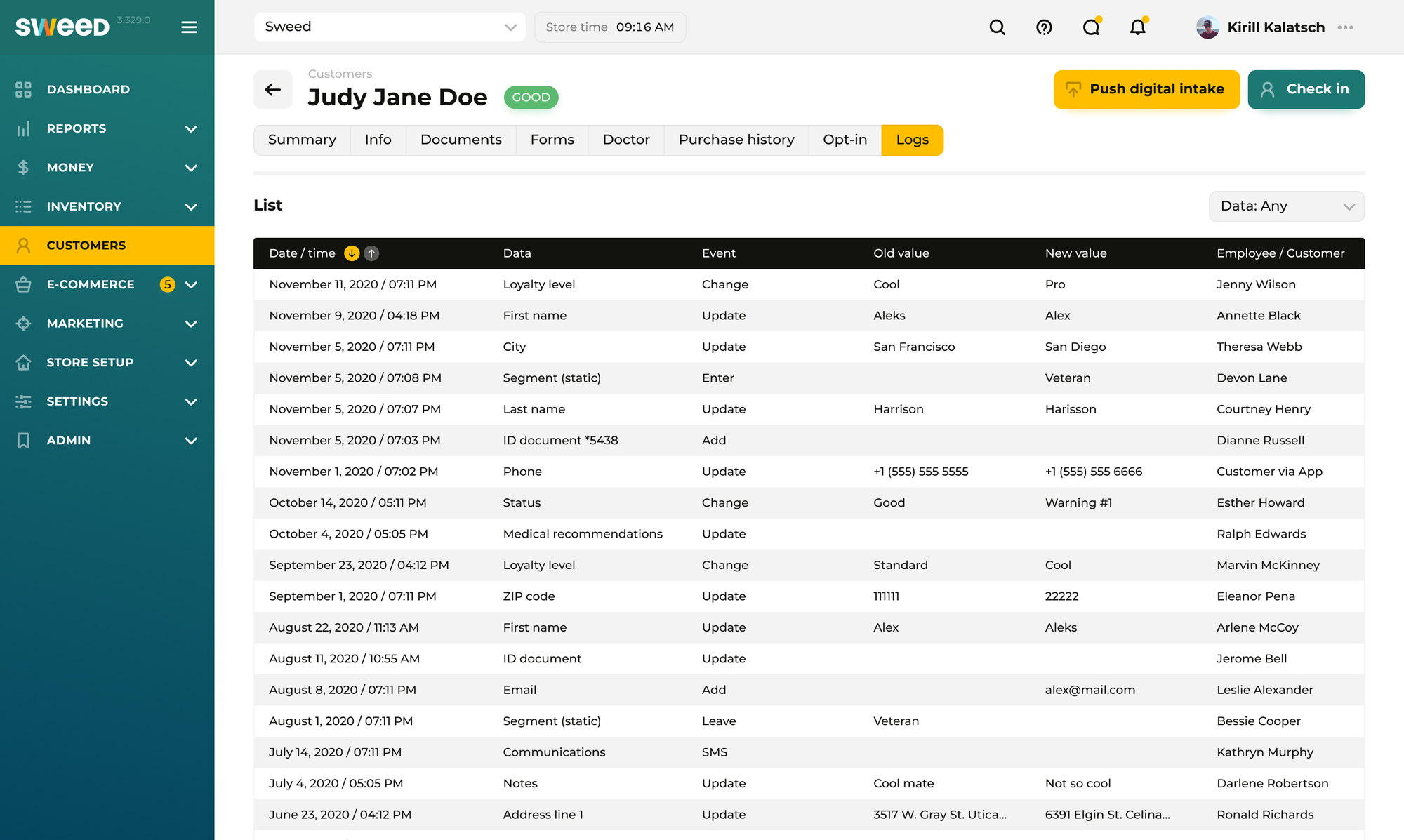
The Customers module is the foundation of the portal’s buyer management and patient verification. Dispensary staff use it to validate identities, maintain medical records, manage documents, connect caregivers to patients and run compliance checks before a sale.
I extended and matured the existing UX: flows for validation, documents and medical eligibility, clearer states and edge cases, simpler navigation for high-frequency tasks. Because the module affects checkout and compliance risk, it needed clarity and robustness more than visual novelty.
A large part of the work was shaping the system rules behind customer states: when eligibility changes, which validations block, how caregiver relationships cascade. I defined edge scenarios with product and engineering to prevent loopholes that could lead to regulatory violations or checkout failure.
03
E-commerce / Marketing
A small UX ambiguity can translate into lost revenue or misaligned offers on the storefront.
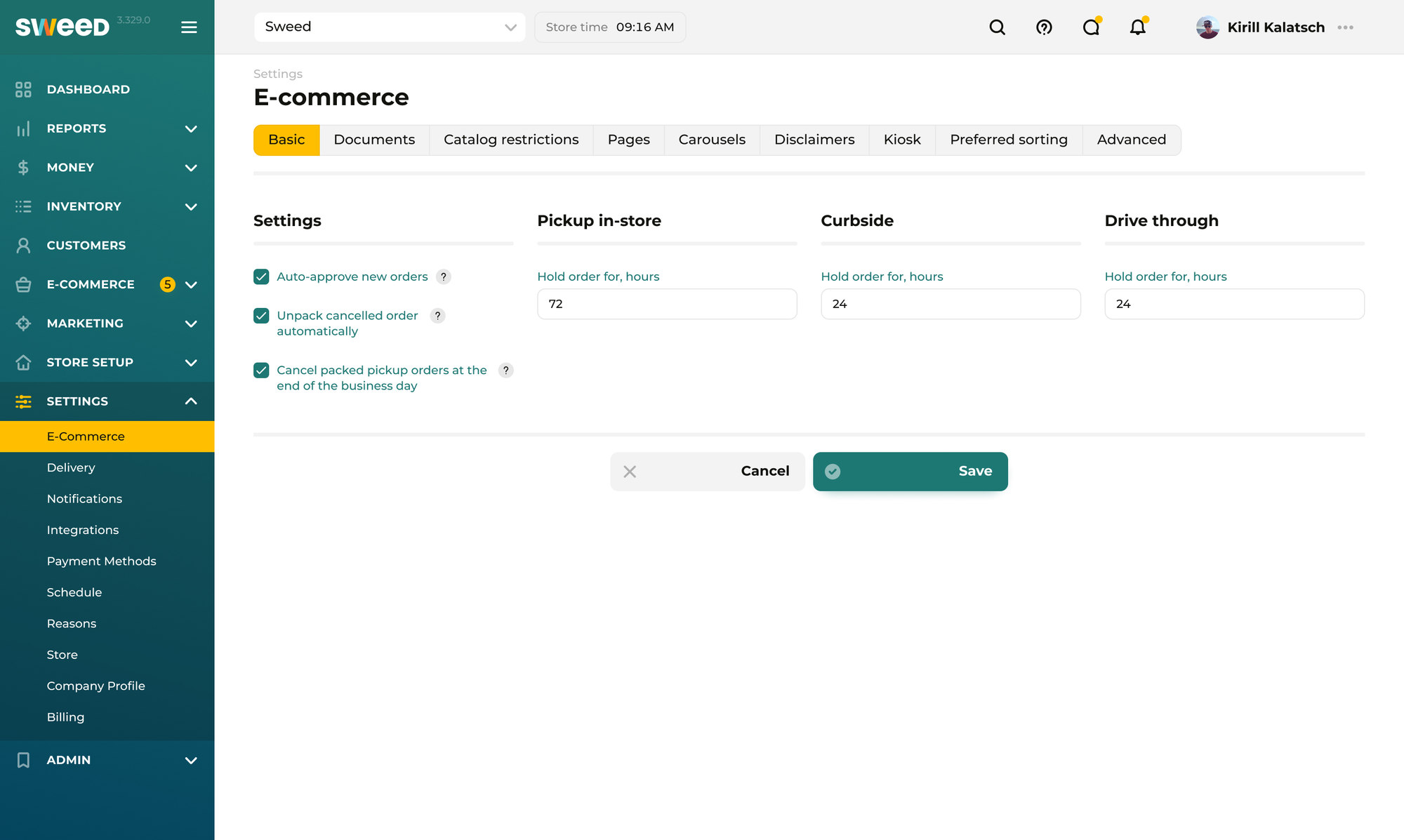
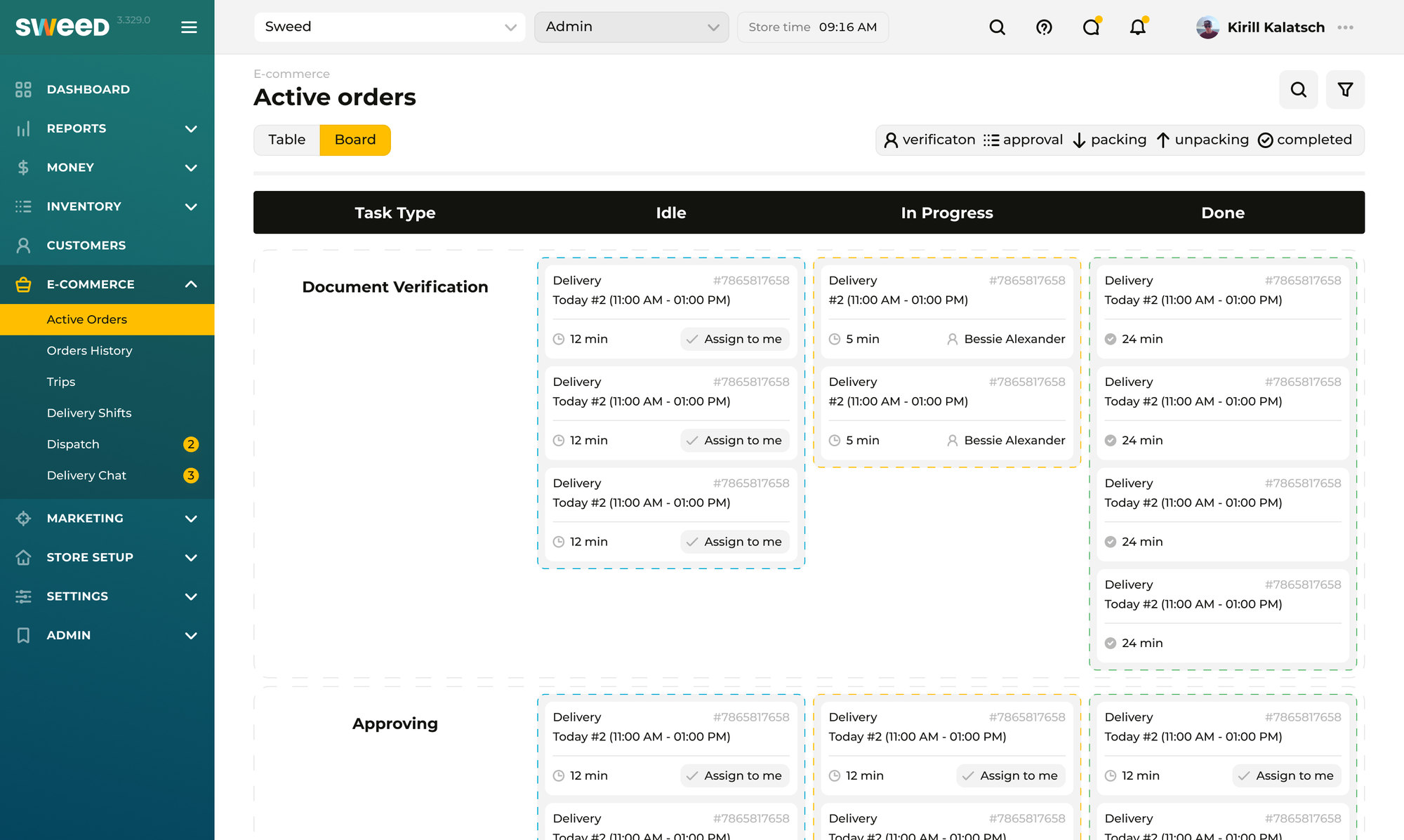
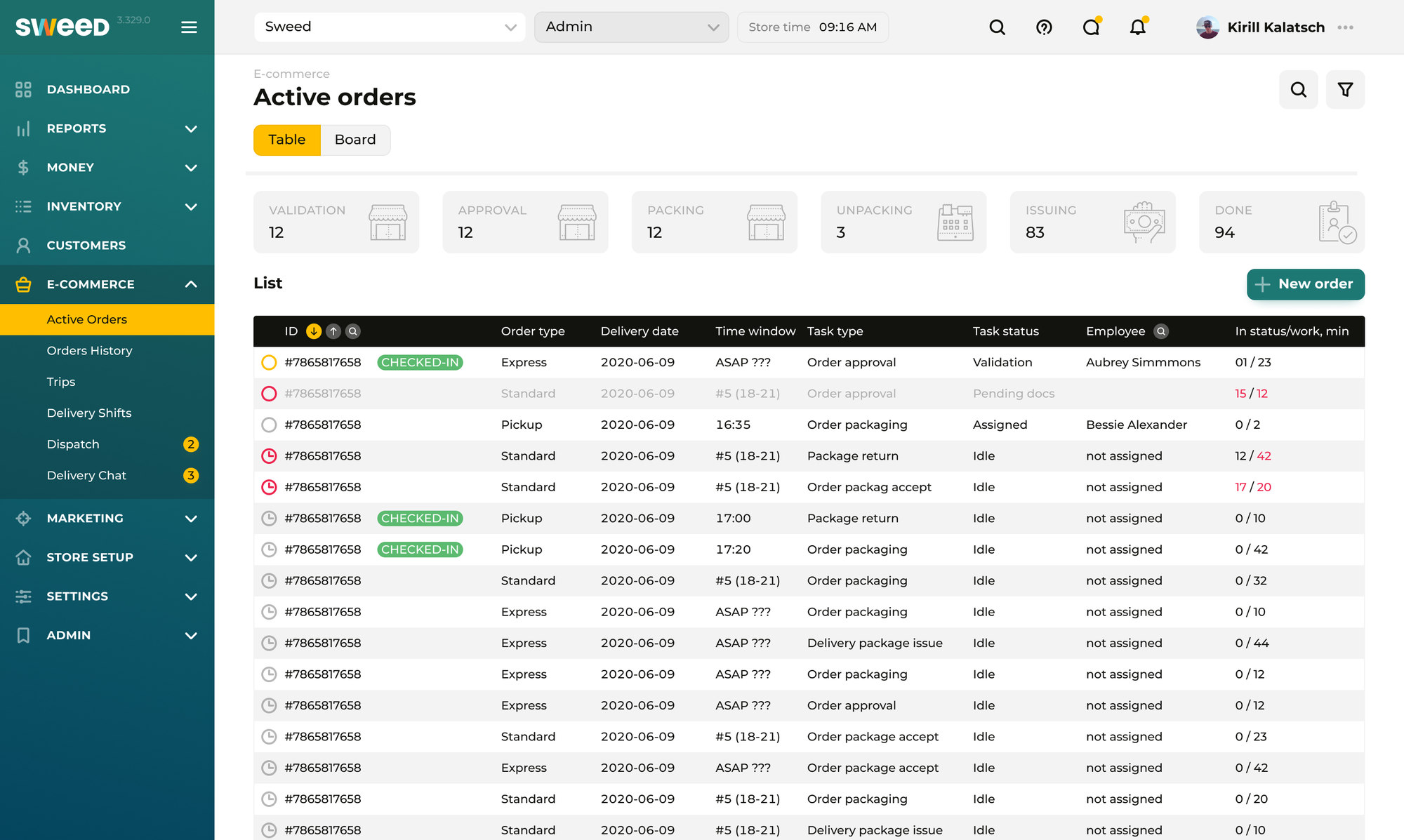
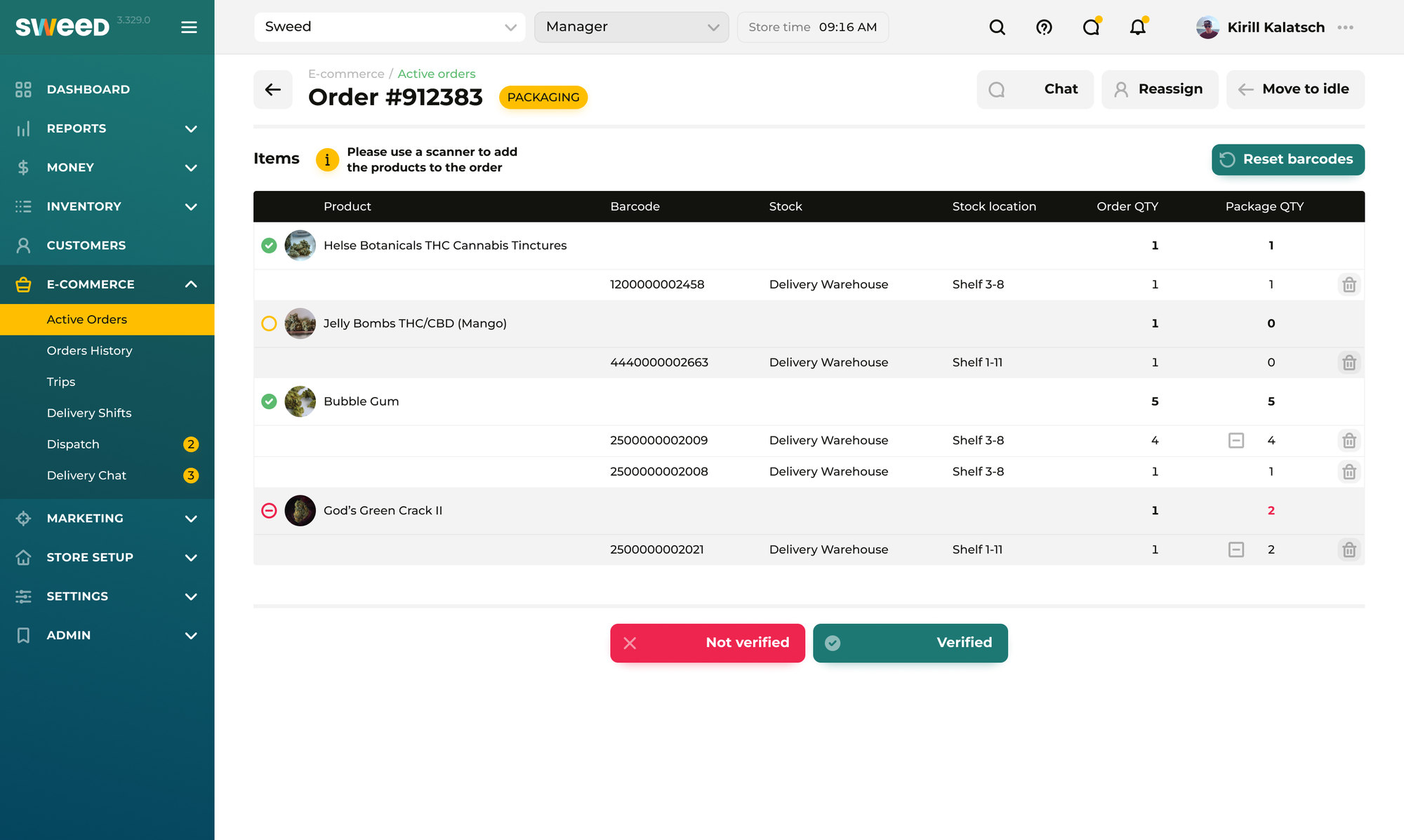
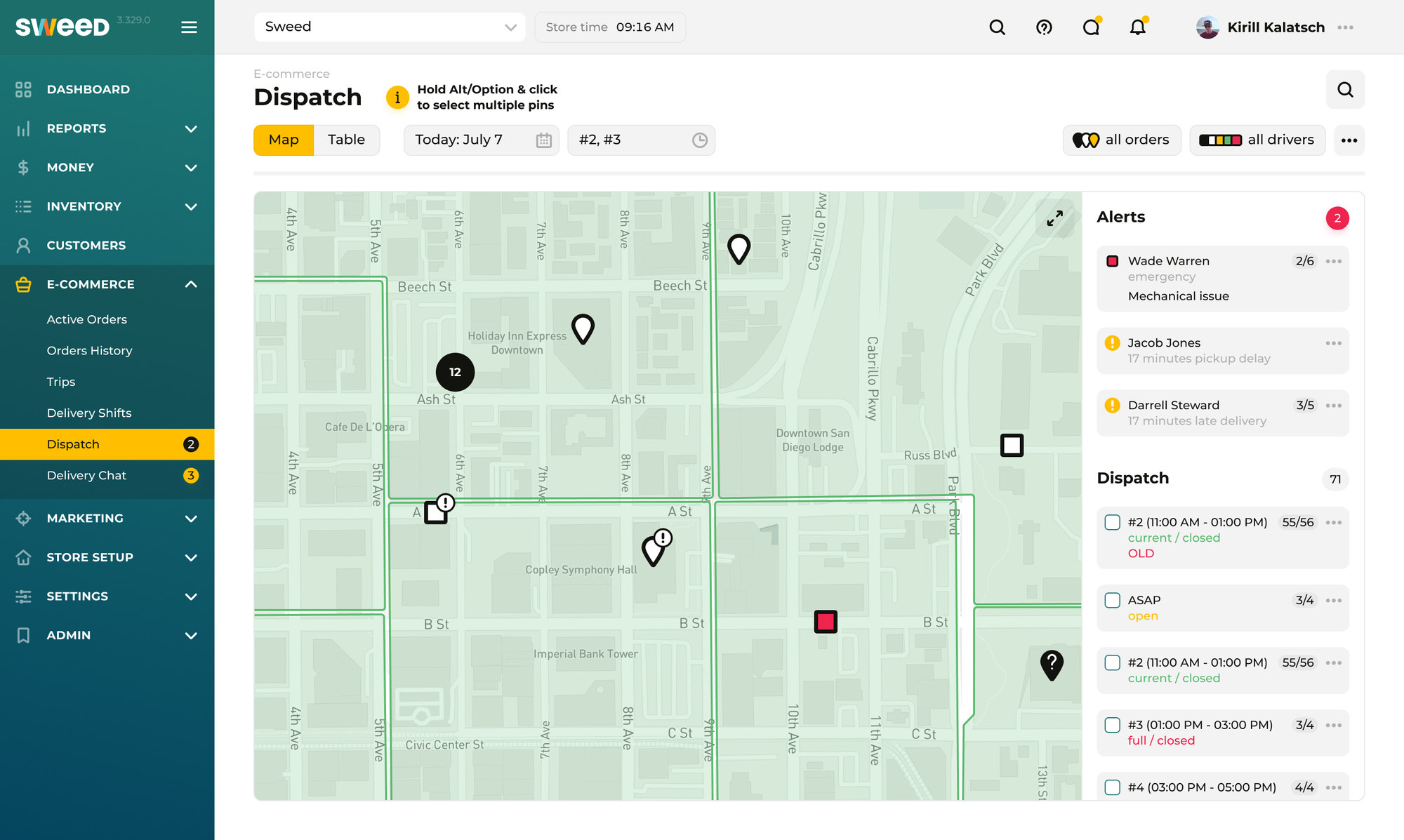
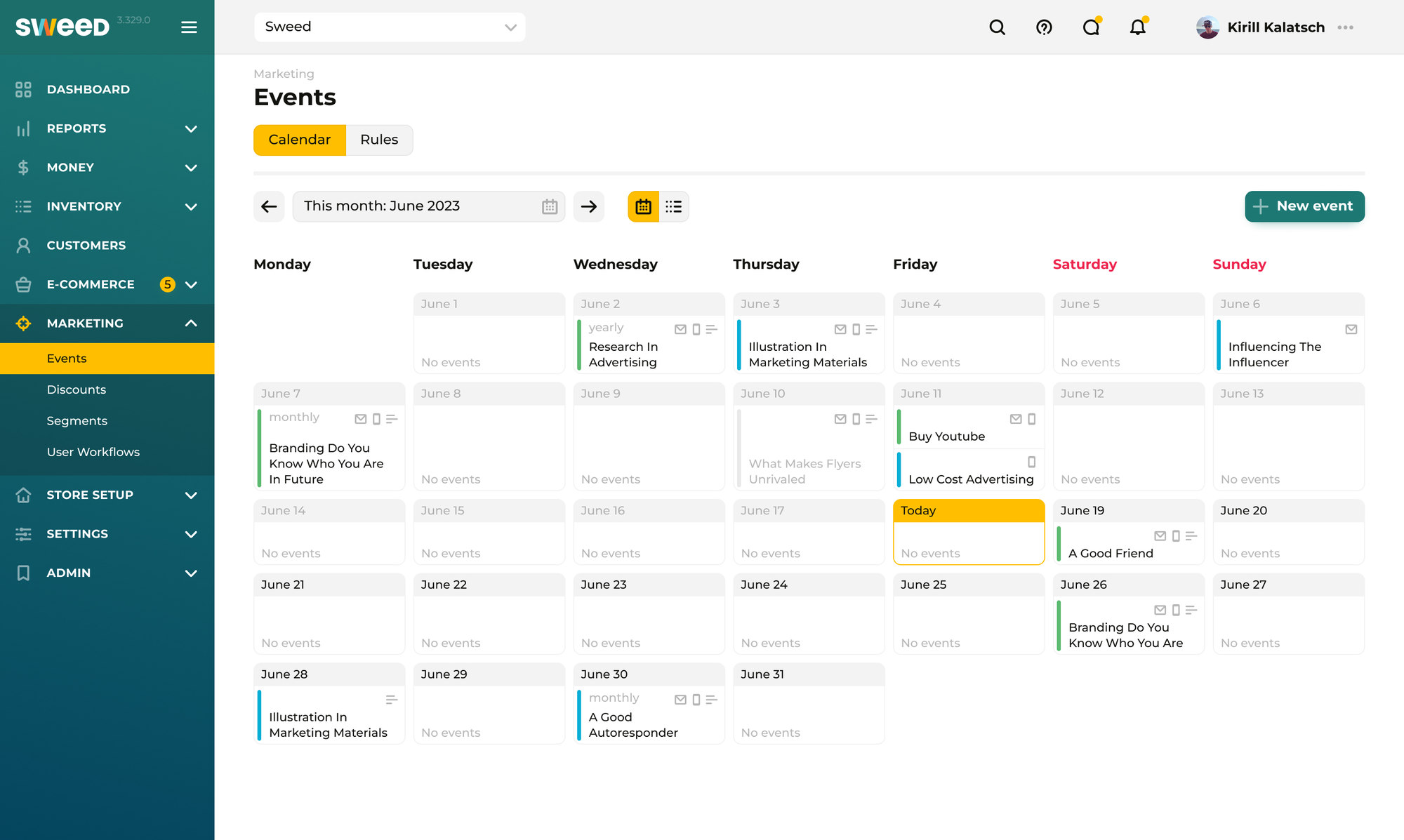
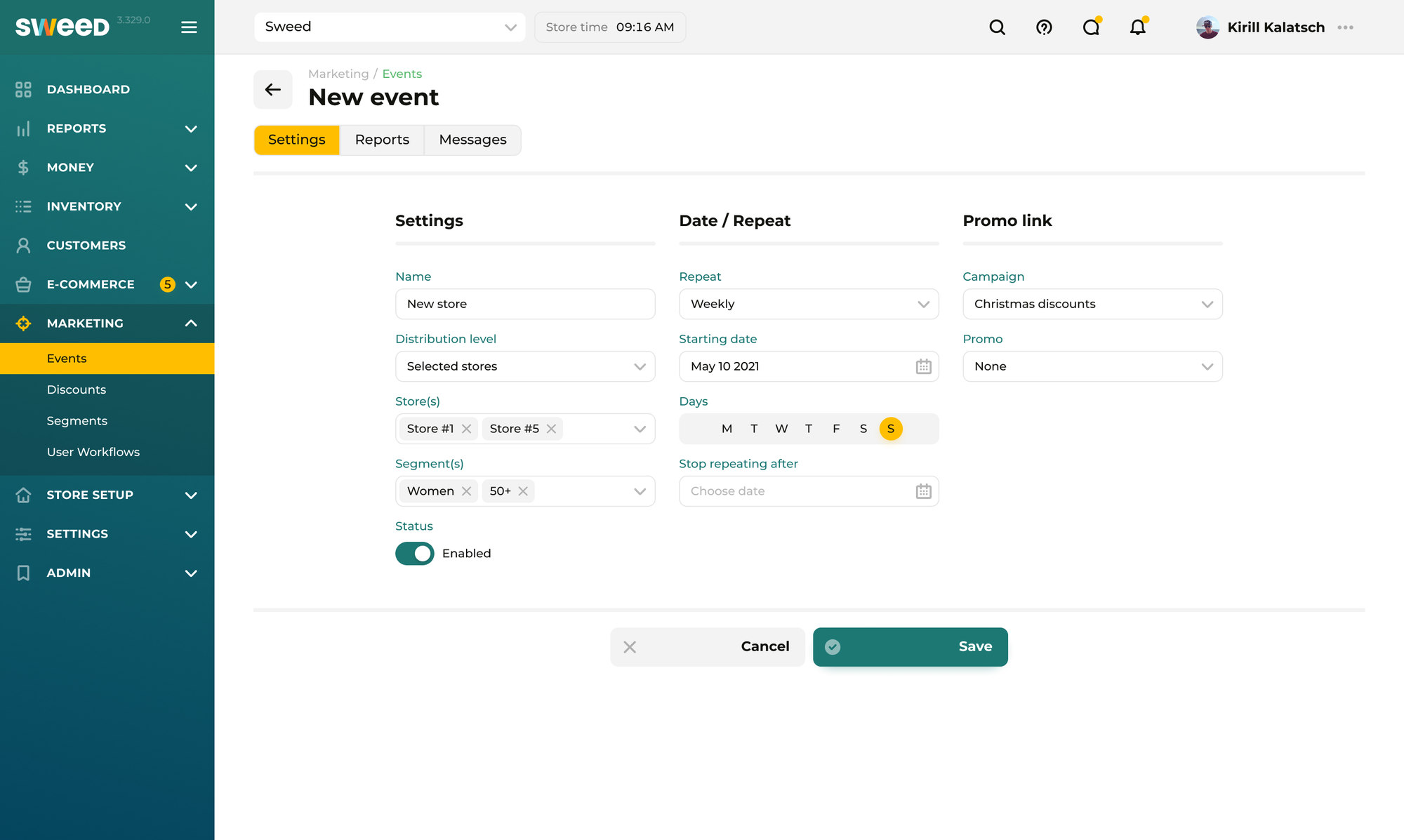
E-commerce configures the online storefront: product availability, pickup and delivery flows, dispatching and the customer-facing experience. Marketing is tightly connected, with campaigns, promotions, segmentation and loyalty mechanics. Together they are the growth layer of the platform.
I refined the configuration flows, aligned delivery and assignment logic with store-level settings and improved tools for non-technical staff. I made marketing and e-commerce settings feel like one system. A big part of the work was reducing hidden states and clarifying cause and effect, so admins understand how a setting affects the live storefront and campaigns.
A small UX ambiguity here can mean lost revenue or misaligned offers, so I unified the logic behind these controls and exposed key dependencies, making configuration predictable rather than accidental.
04
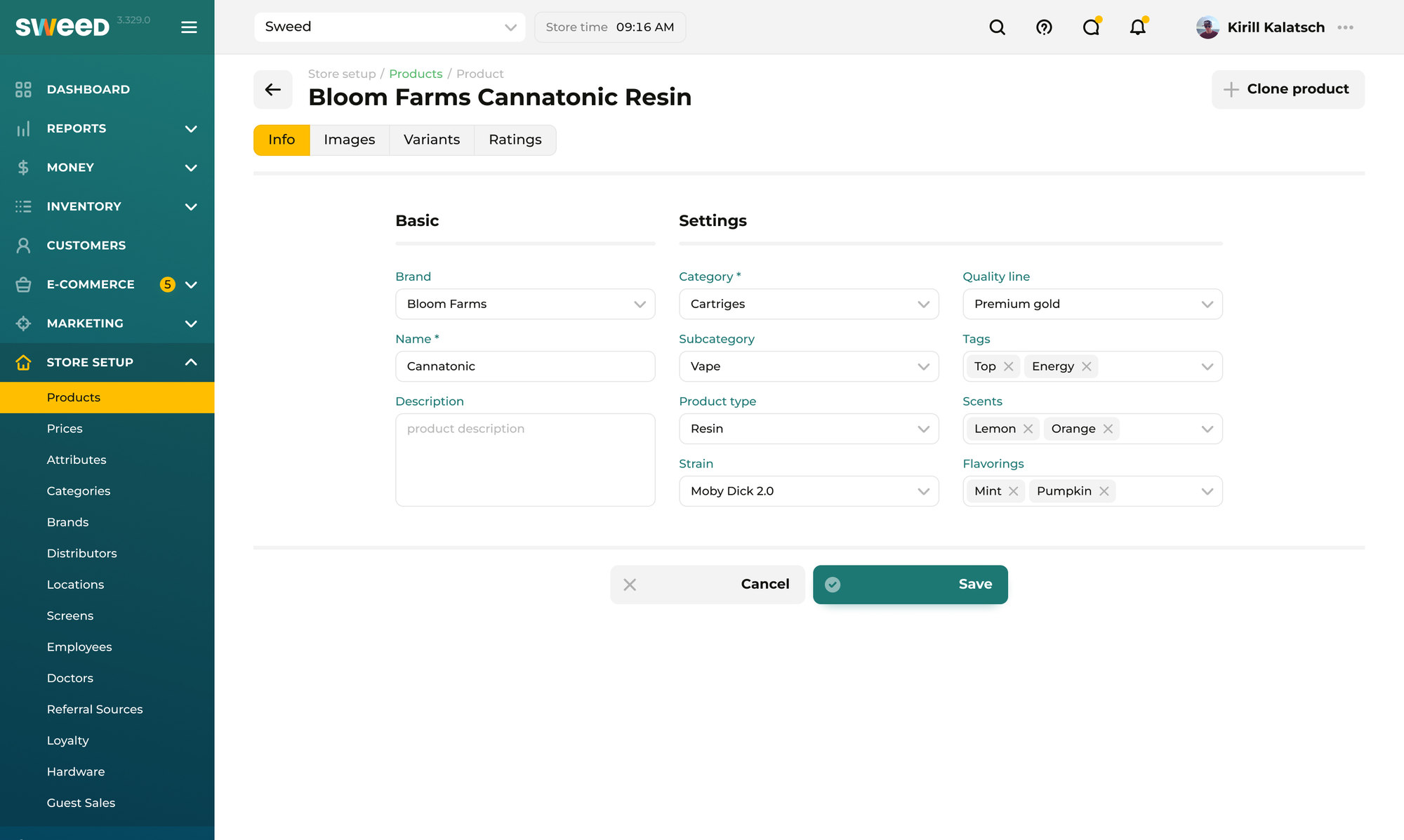
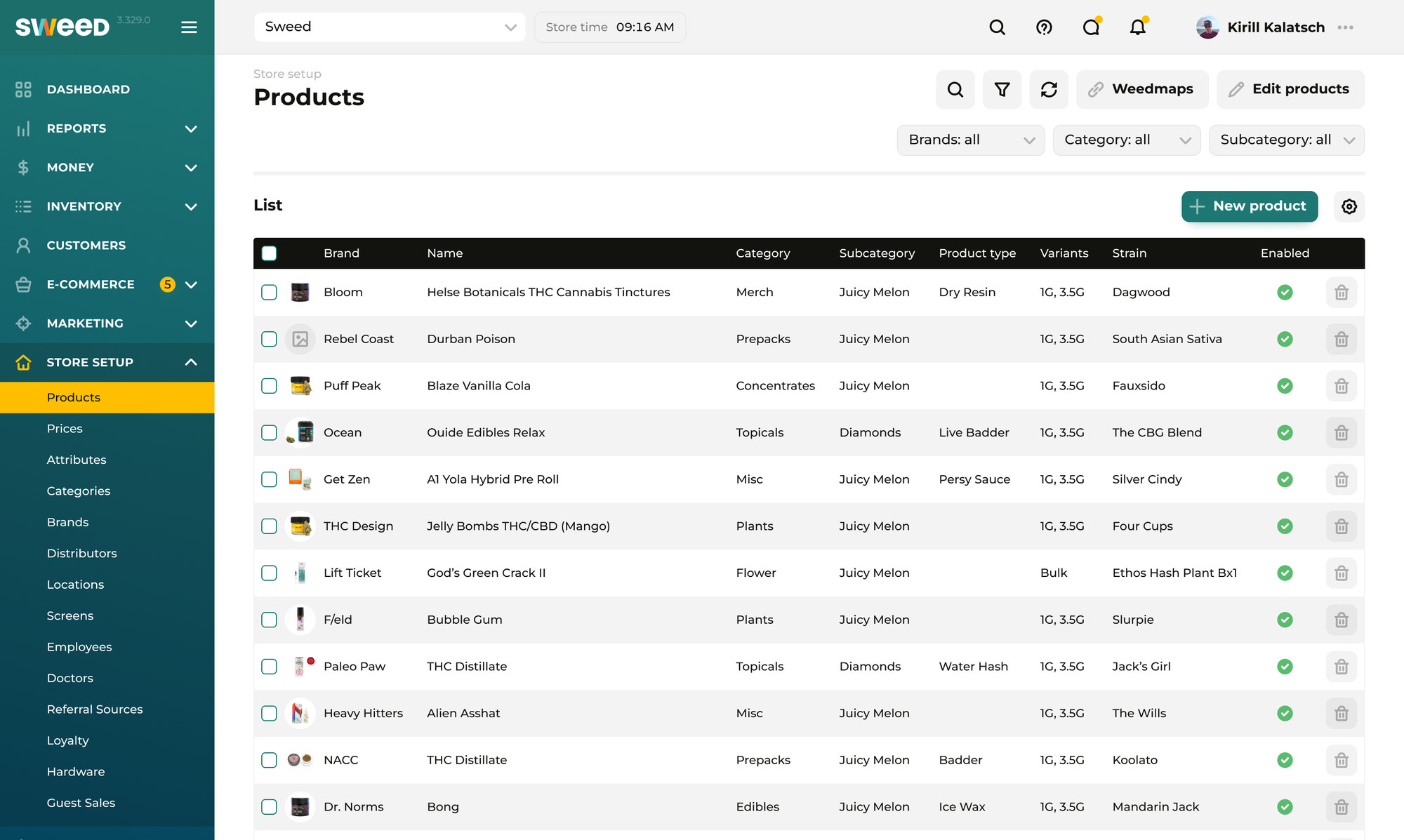
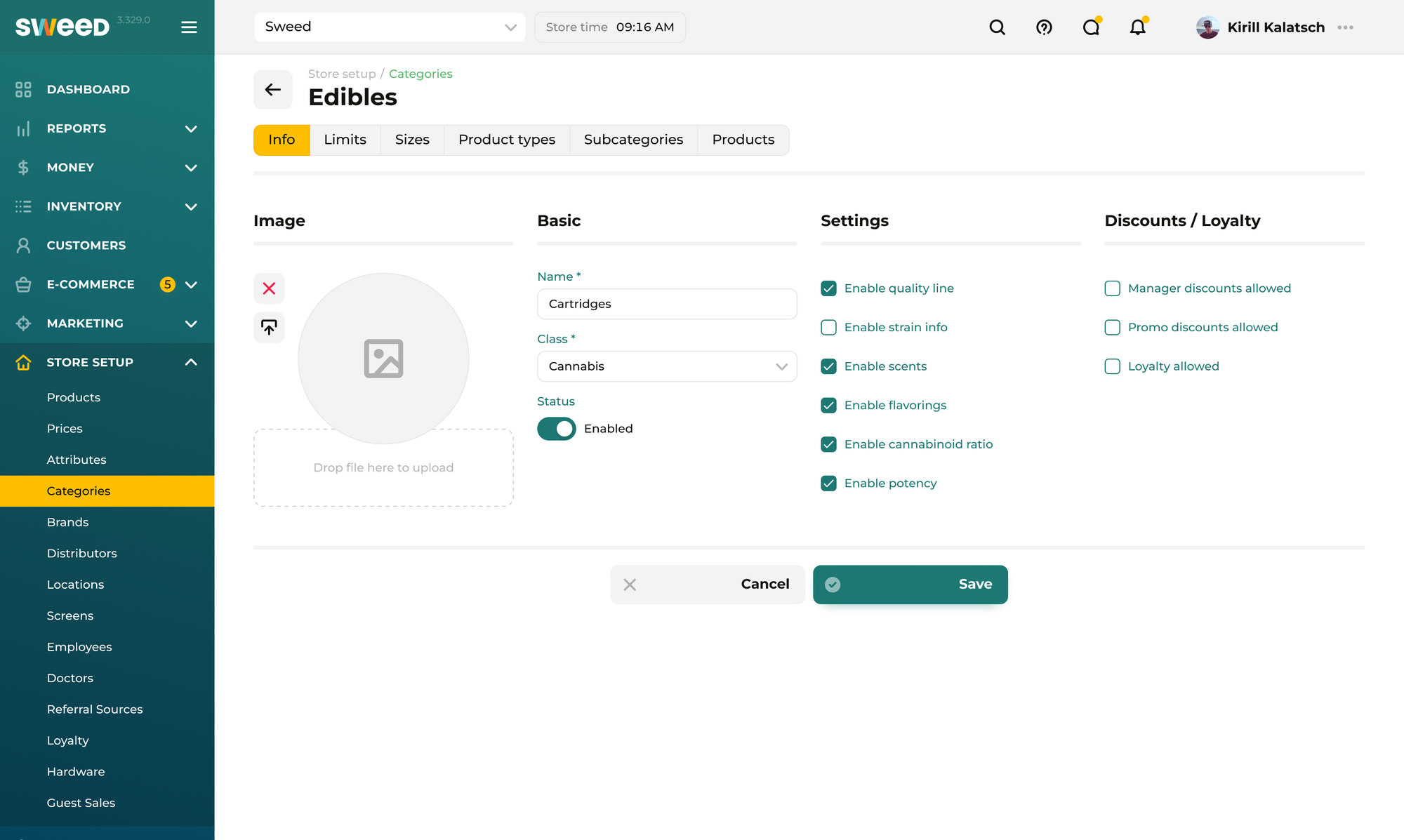
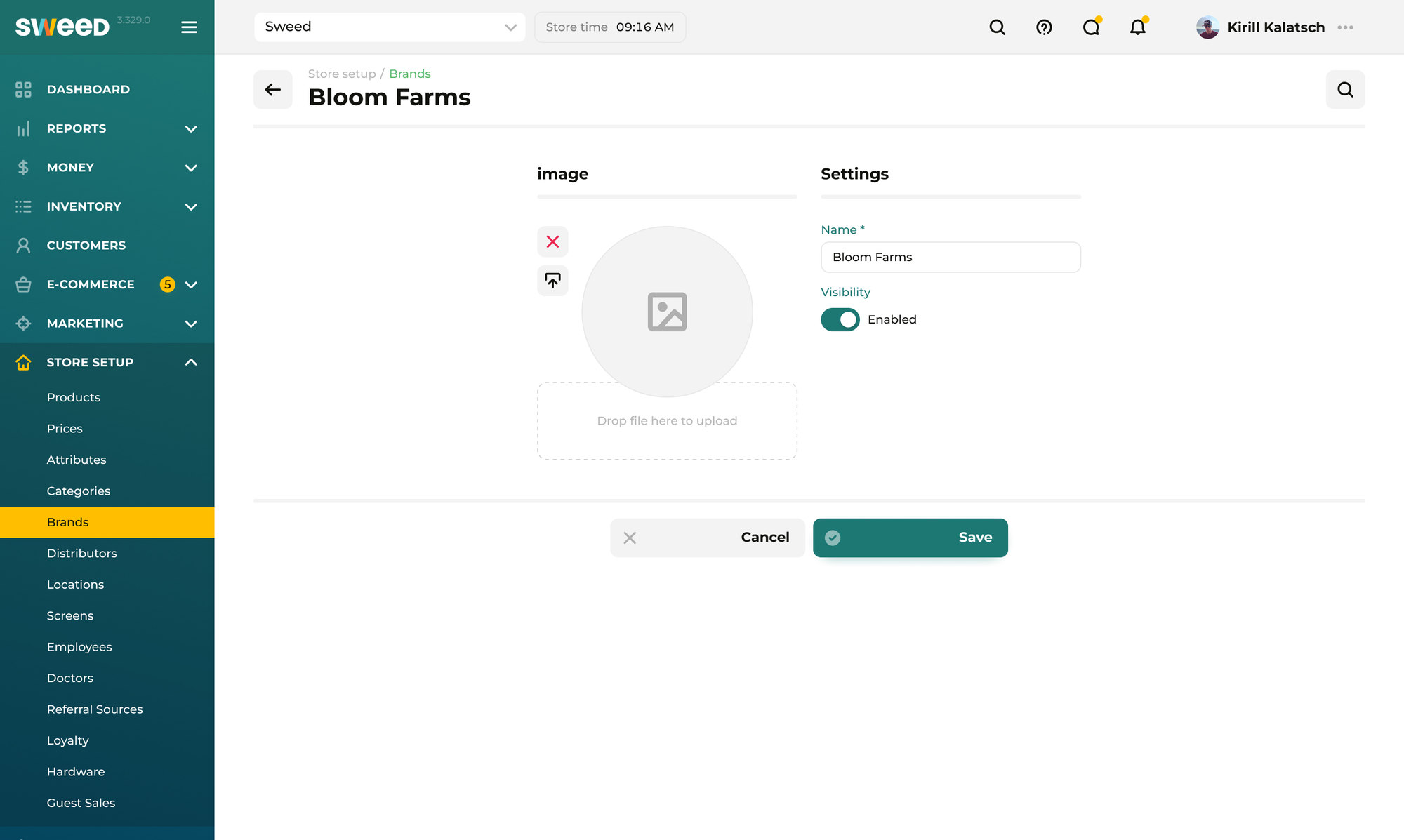
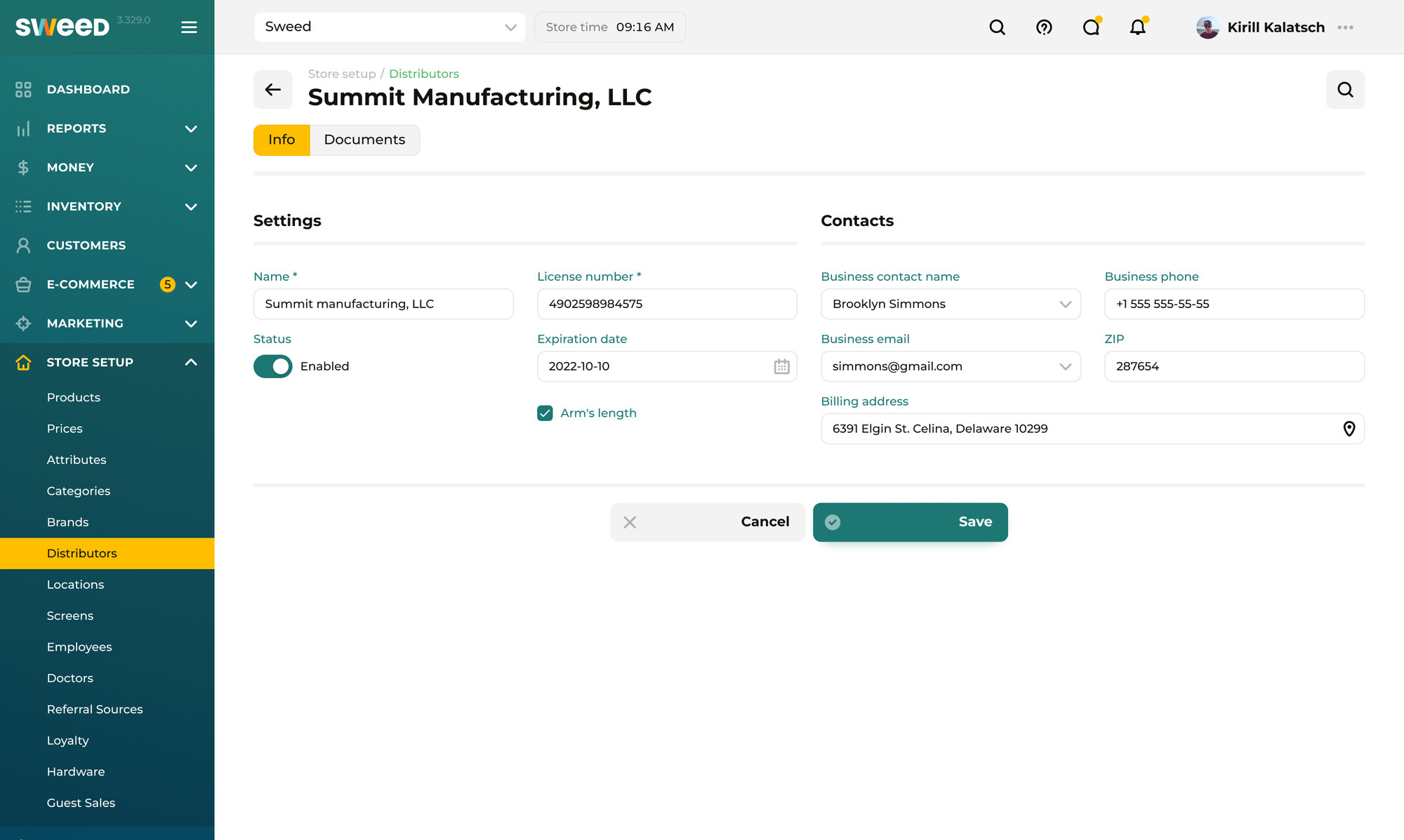
Store Setup
A single wrong setting can change pricing, eligibility or fulfillment.
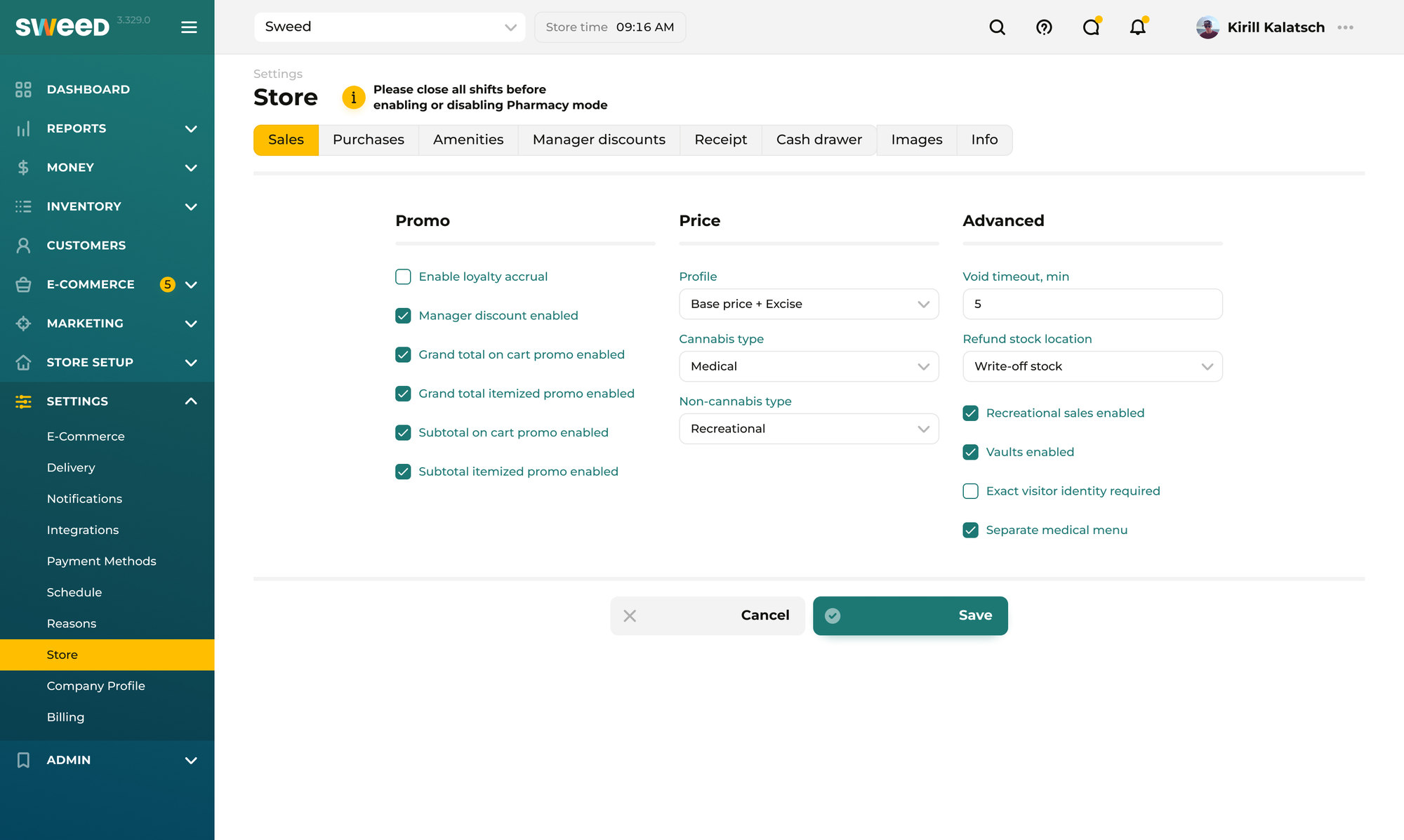
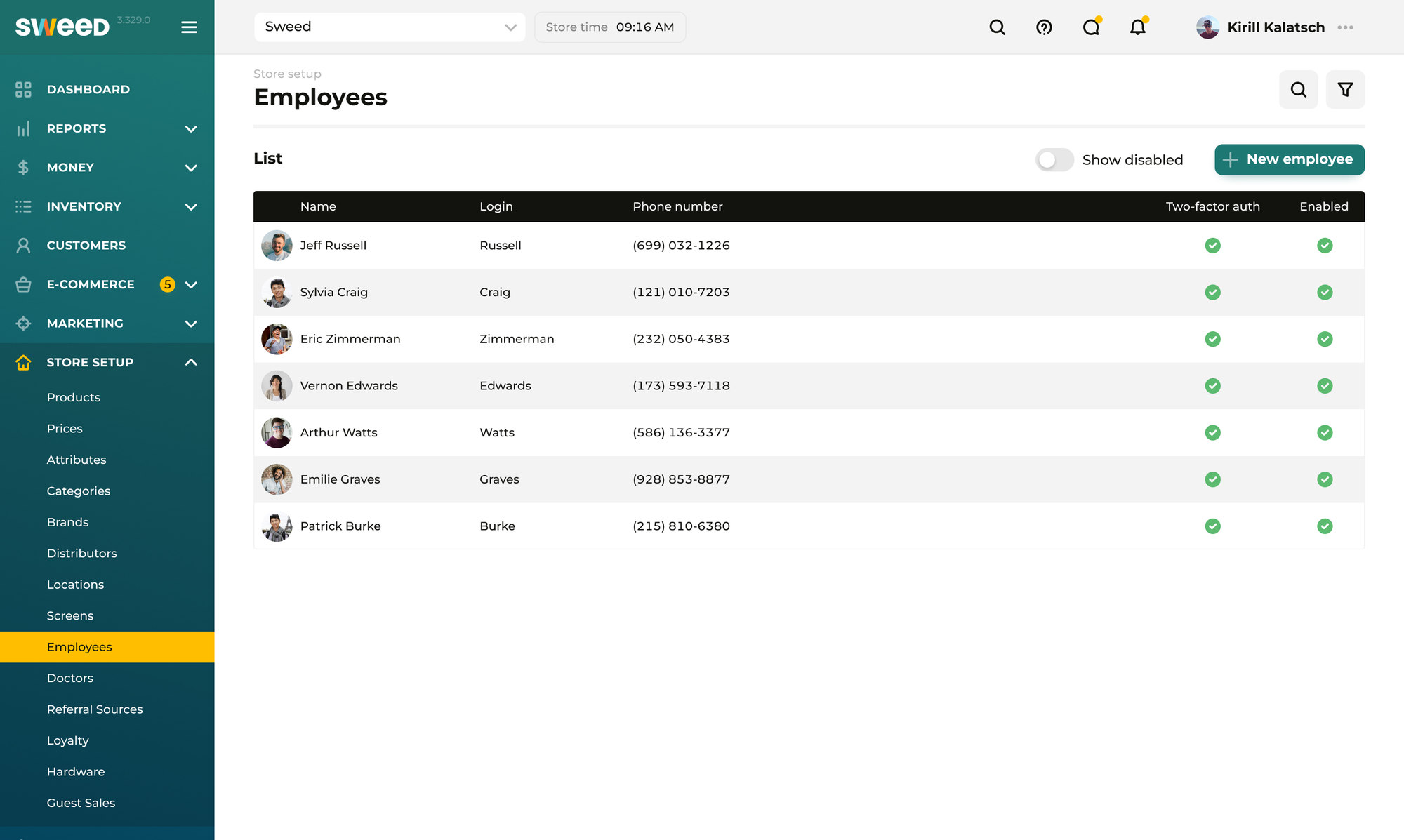
Store Setup is the configuration layer of the portal: products, brands, categories, taxes, permissions, hardware, fulfillment rules and compliance constraints. It defines what the business looks like operationally before any sales happen.
I evolved the UX for these foundational settings: navigation hierarchy, dependencies between settings, easier configuration without breaking store logic. A single wrong setting can change pricing, eligibility or fulfillment, so the UX had to reinforce safety and clarity and let operators configure advanced behavior without deep system knowledge.
Much of the work was modeling the logic behind settings: what is global vs store-level, how controls are grouped, what stays in advanced menus. I reduced cognitive load while keeping full configurability for power users through defaults and progressive disclosure.
05
Settings
The goal was to make platform-wide decisions safer, not just easier to click through.
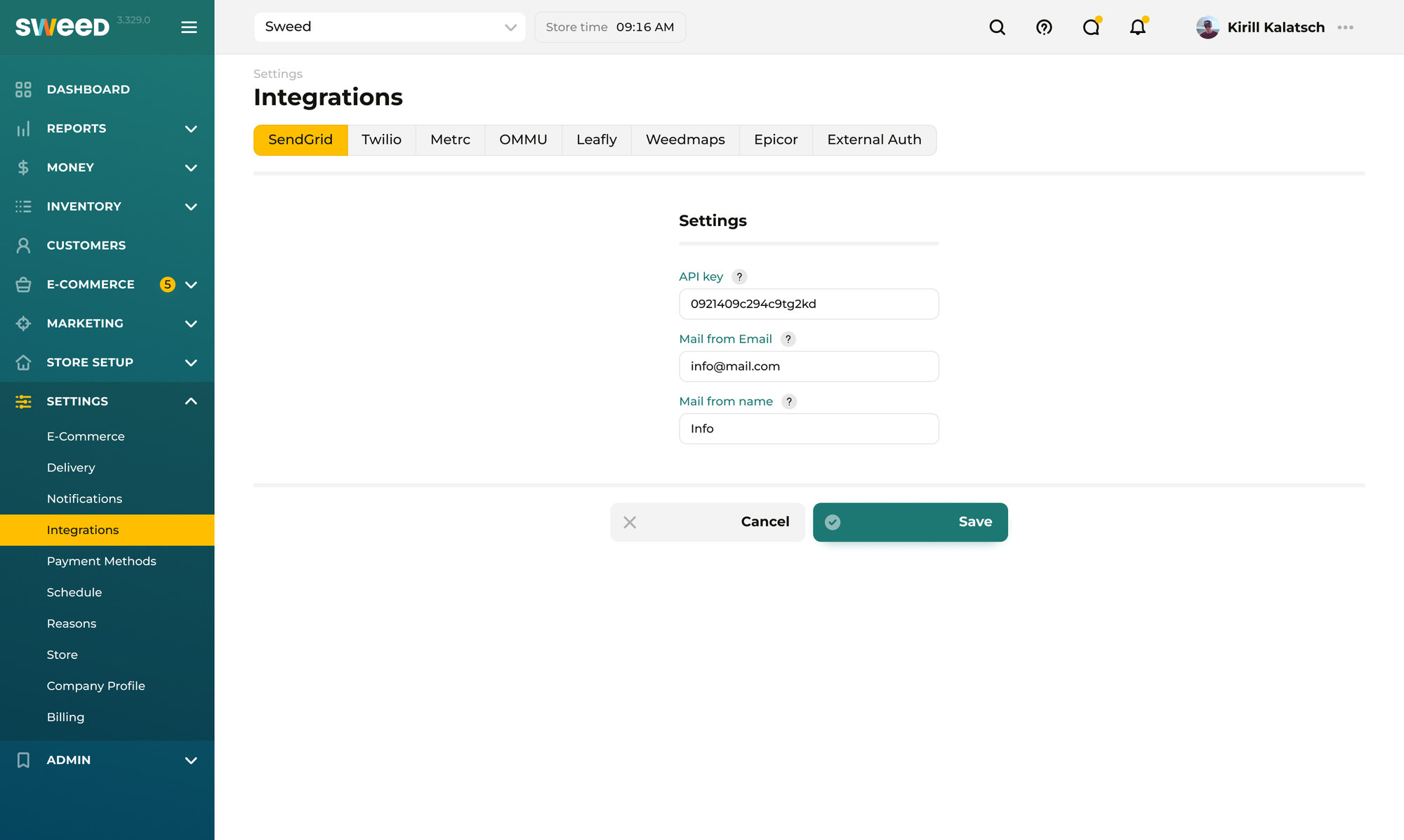
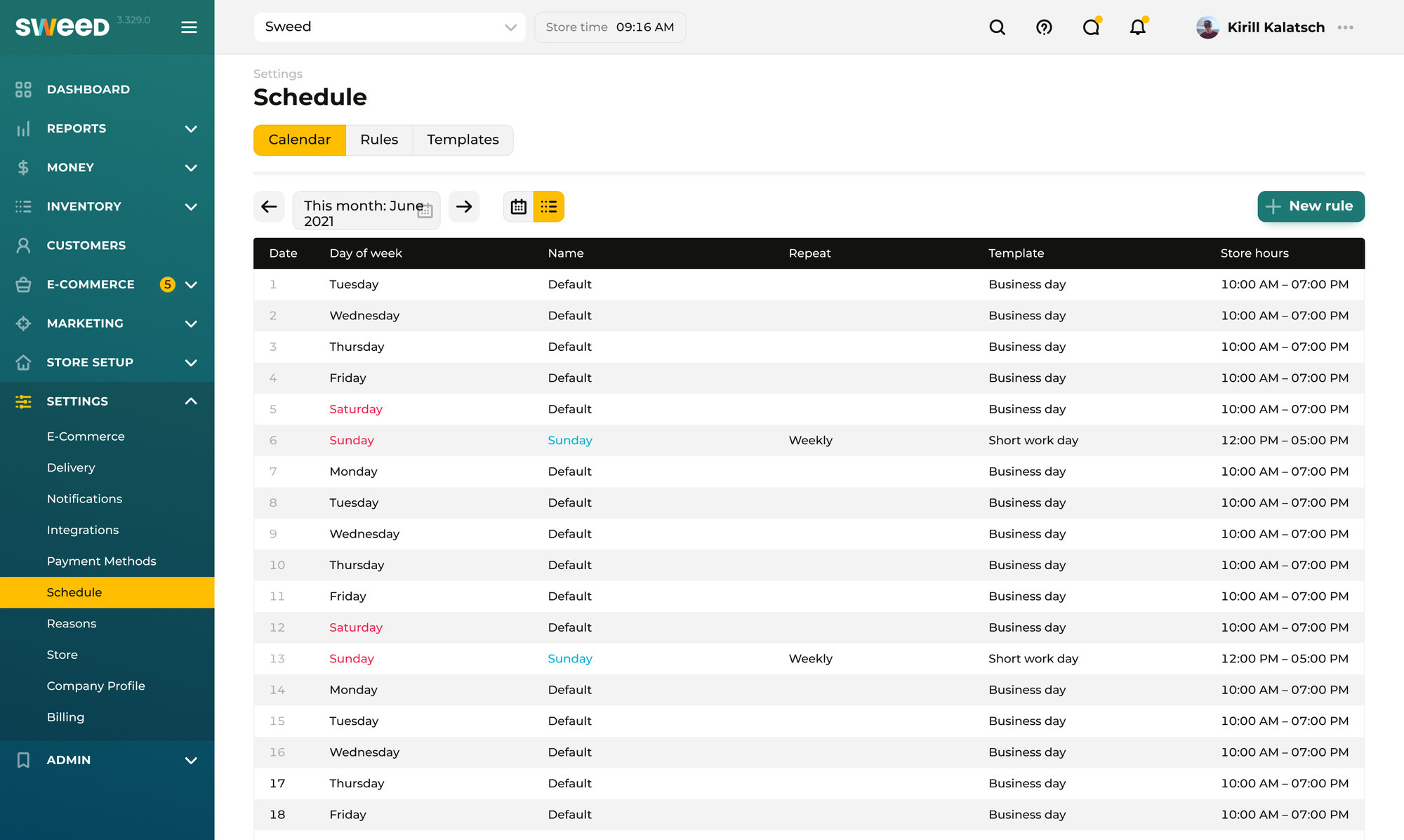
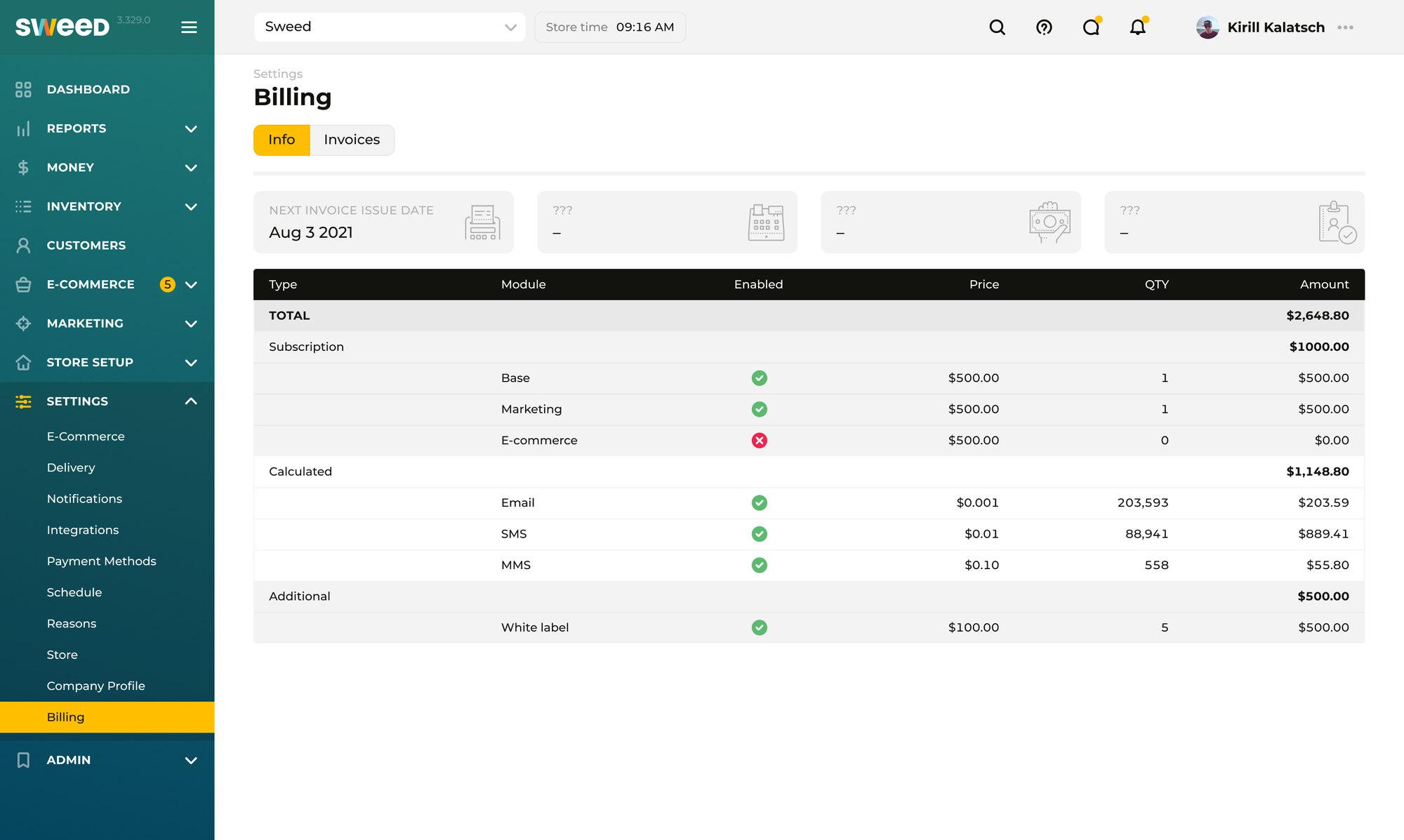
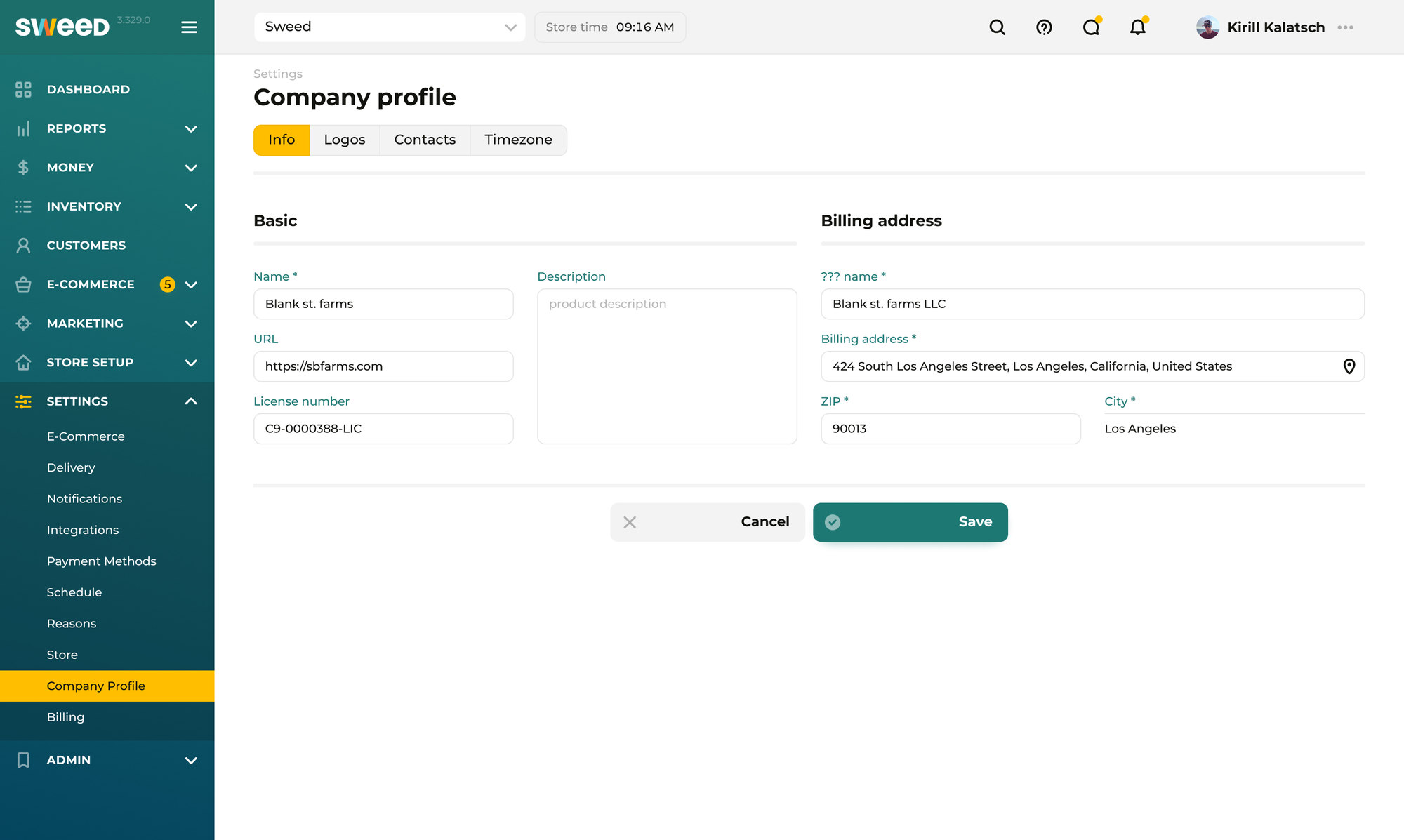
Settings is the infrastructure layer of the portal: organization-level rules, compliance integrations, timezones, delivery constraints, automation defaults and platform-level toggles. I supported its growing complexity while keeping a clean, predictable UX model.
I untangled technical concepts into understandable controls, grouped scattered toggles and made sensitive changes traceable and safe to edit. I set clear boundaries between organization-level and store-level logic, rethinking how inheritance, overrides and defaults are shown, so changes have a predictable scope.
Design changes here have long-term architectural consequences, so the work required systems thinking: configuration that is auditable, reversible when possible and resistant to misconfiguration. The goal was to make platform-wide decisions safer, not just easier to click through.